
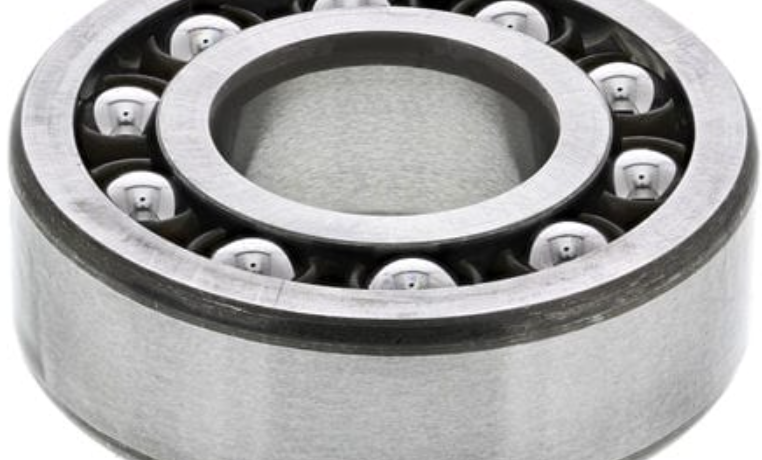
But why is it important to ensure that the car’s wheel bearings are in good condition? And how can you tell when they need to be replaced?
How car ball bearings work
As is well known, the main function of car wheel bearings is to reduce the mechanical friction of the constant velocity joint, which rotates within the spindle, ensuring the half-shafts correctly transmit rotational movement to the wheels even during steering.
Usually, the ball bearings inserted within the spindles consist of several rows of balls placed in parallel and are covered with special grease. Therefore, it is very important to always choose quality car bearings and wheel hub replacement kits of the right size and specifications.
How to tell when car bearings need replacing
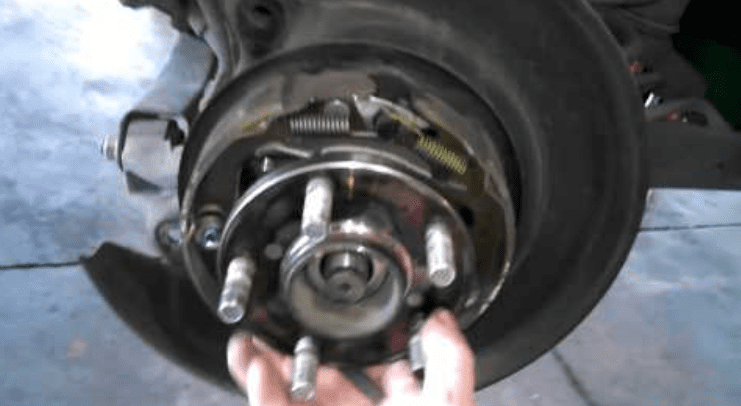 But when is it necessary to proceed with the replacement of the bearings? While a precise answer can only be provided by your trusted mechanic, a fairly useful method to realize the deterioration of the wheel ball bearings is the perception of a faint humming noise that can be heard while cornering or when the vehicle gains speed. If possible, it may also be helpful to lift a wheel and spin it quickly by hand: if a noise is heard during the rolling phase, with a simultaneous vibration on the fender, it is very likely that the bearing is damaged.
In any case, in more modern vehicles, the need to check the suspension system and possibly replace the ball bearings is indicated by dashboard warning lights related to the ABS system—of which the bearings are a fundamental element—considering their good support in the use of the constant velocity joint and, therefore, in the correct transmission of movement to the wheels.
What to do if car bearings make noise
If you notice that your car’s bearings are making an unusual noise, we suggest taking the car to a good mechanic and evaluating their replacement. The operation of replacing the old bearings of the car and installing new ones is an intervention that can be carried out in a short time using special disassembly and assembly equipment, and can therefore be scheduled without particular inconvenience.
In conclusion of this brief overview, it should be noted that no preventive maintenance can be carried out on the bearings, nor is it possible to estimate precisely how often the car balls will need to be replaced. Their structure has a highly variable resistance and is influenced by a long series of factors, not always attributable to the driver’s responsibility: for example, the higher frequency of replacement usually felt in coastal areas, where salt, mixing with the grease covering the bearings, shortens the life of this important component.