
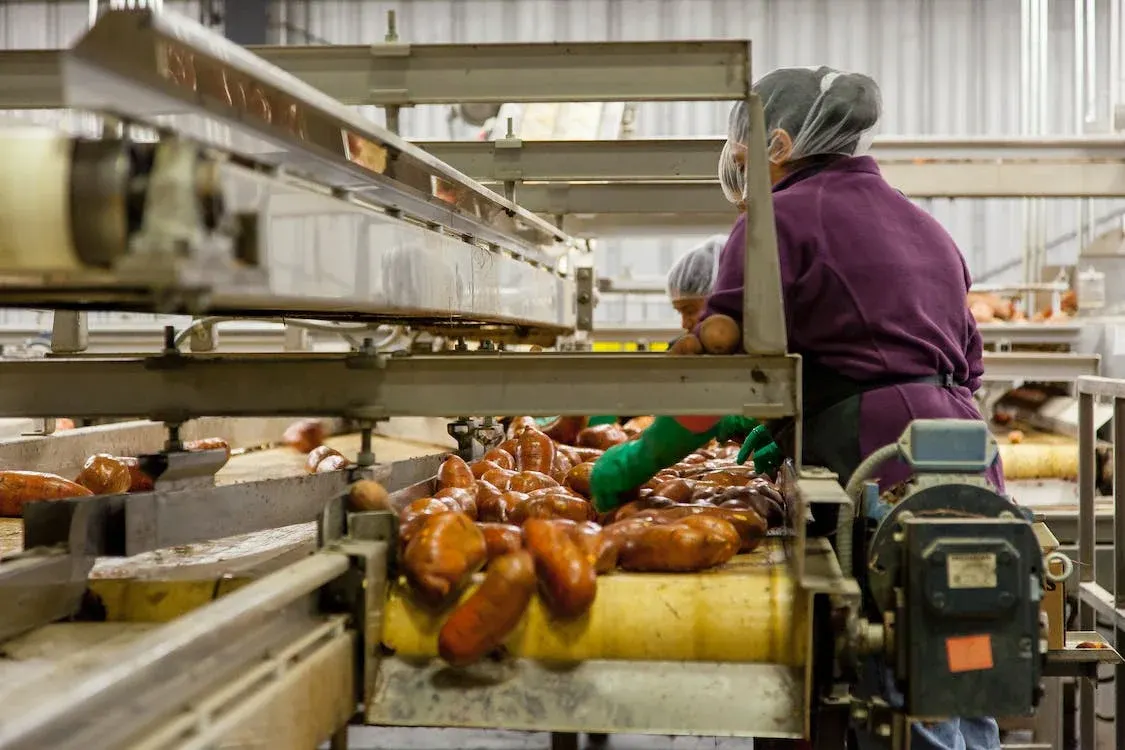
In the food industry, every mechanical component must comply with strict hygiene and safety standards.
Bearings are among the most critical components in processing, packaging, and handling equipment, as they directly influence efficiency, reliability, and food safety.
To ensure optimal performance and compliance with international regulations, it is essential to use bearings specifically designed for food applications, made with certified materials and suitable for frequent cleaning cycles.
The Importance of Bearings in the Food Sector
Food processing machines operate under demanding conditions: humidity, temperature variations, and exposure to cleaning agents.
Bearings in such environments must resist corrosion, maintain performance during washdowns, and avoid contamination.
A non-compliant bearing can lead to:
-
product contamination,
-
costly downtime,
-
equipment failure,
-
and safety risks for consumers.
Therefore, manufacturers rely on stainless steel or polymer bearings certified for food use and approved by international standards.
Main Hygiene Regulations
Food-grade bearings must meet several international standards:
-
EC Regulation 1935/2004: materials in contact with food must not release harmful substances.
-
EU Regulation 10/2011: defines the requirements for food-grade plastics.
-
FDA (Food and Drug Administration): certifies materials approved for food applications.
-
NSF (National Sanitation Foundation): verifies hygiene compliance for components and lubricants.
-
ISO 21469: governs the production of lubricants used in food environments.
Compliance with these standards ensures that bearings are safe, cleanable, and resistant to contamination.
Certified Materials for Food Bearings
Stainless Steel
The most common material used. AISI 440, 304, and 316L stainless steels offer excellent corrosion resistance, high hardness, and compatibility with cleaning agents.
Engineering Polymers and Ceramics
POM, PEEK, and PTFE polymers ensure chemical resistance and stability.
Ceramic or hybrid bearings (zirconia or silicon nitride) provide long life, minimal friction, and no lubrication requirements.
Food-Grade Seals
Sealing materials such as EPDM, silicone, FKM, or white NBR prevent water or detergent ingress while maintaining compliance with FDA and NSF standards.
Food-Grade Lubricants
Lubrication in food processing machinery must be safe and non-toxic.
NSF H1-certified lubricants are formulated for incidental food contact and provide:
-
resistance to water washout,
-
corrosion protection,
-
stability under extreme temperatures,
-
no odor or residue.
Alternatively, self-lubricating or dry-running bearings are used in applications requiring absolute cleanliness.
Bearing Types for Food Applications
-
Stainless steel ball bearings: precision, reliability, and corrosion resistance.
-
Sealed deep-groove bearings: ideal for high-speed shafts and humid environments.
-
Roller bearings: suitable for heavy-duty applications such as mixers or ovens.
-
Plastic and ceramic bearings: used in sensitive or hygienic environments.
Hygienic Design Principles
Food bearings must be easy to clean and free from contamination traps.
Key features include:
-
smooth, rounded surfaces,
-
sealed construction,
-
corrosion-resistant housings,
-
compatibility with high-pressure cleaning and steam sterilization.
Many bearings are mounted on stainless or polymer housings designed for sanitary use.
Typical Applications
-
Conveyors and transport systems
-
Packaging machinery
-
Mixers and pumps
-
Ovens and baking lines
-
Dairy and meat processing equipment
Each application requires materials and lubrication tailored to hygiene and environmental conditions.
Maintenance and Inspection
Preventive maintenance ensures safety and continuity:
-
Inspect regularly for wear or corrosion.
-
Re-lubricate using certified products.
-
Clean during each sanitation cycle.
-
Replace worn components promptly.
Conclusion
Food-grade bearings are essential for ensuring product safety, reliability, and compliance with hygiene regulations.
Using certified materials, hygienic designs, and food-safe lubricants allows companies to maintain quality, reduce downtime, and protect consumers.
Investing in compliant bearing solutions means ensuring efficiency, hygiene, and long-term reliability across all food production processes.