
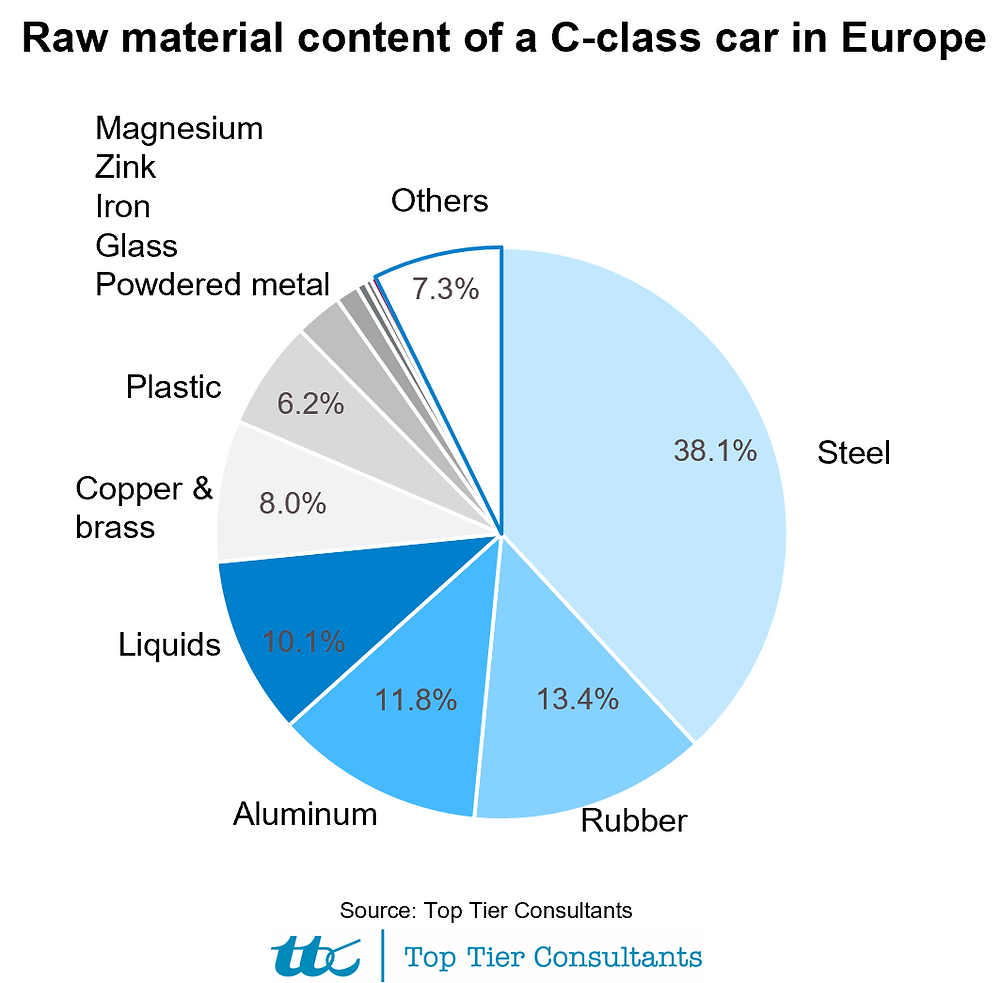
The global bearing market is facing significant challenges due to rising raw material costs. This phenomenon, influenced by geopolitical factors, currency fluctuations, and supply chain disruptions, is compressing manufacturers’ profit margins and increasing prices for consumers.
Rising Raw Material Costs
In recent years, prices for raw materials such as steel, copper, and aluminum have seen significant increases. For example, bearing-grade steel saw a price increase of about 30% by the end of 2020. These increases have been further exacerbated by factors such as geopolitical instability and the COVID-19 pandemic, which disrupted supply chains and raised energy costs.
Impact on Production and Prices
The bearing industry is particularly vulnerable to these fluctuations, as materials represent a significant portion of production costs. Manufacturers are faced with the difficult decision of either absorbing the additional costs, reducing profit margins, or passing them on to consumers, risking their competitiveness.
Global Market Consequences
The rise in raw material costs is also affecting the demand for bearings. Sectors such as automotive, aerospace, and energy, which heavily rely on bearings, are facing challenges due to increased production costs and the need to adapt to new economic conditions.
Adaptation Strategies
To mitigate the effects of these increases, companies are adopting several strategies:
-
Supply Chain Optimization: Improving supply chain efficiency to reduce logistics costs and enhance material availability.
-
Material Innovation: Researching alternatives to traditional materials to reduce dependence on raw materials subject to price fluctuations.
-
Strategic Partnerships: Forming alliances with suppliers to ensure more stable prices and favorable supply conditions.
Future Outlook
Despite the current challenges, the bearing market continues to grow. It is projected that the global bearing market will reach a value of $241.62 billion by 2033, with a compound annual growth rate (CAGR) of 4.9%. However, the sustainability of this growth will depend on the industry’s ability to adapt to the changing dynamics of raw material costs and innovate to maintain competitiveness.
In summary, rising raw material costs are having a significant impact on the bearing market, influencing production, prices, and demand. Companies must adopt effective strategies to navigate this complex economic environment and ensure long-term sustainability.