
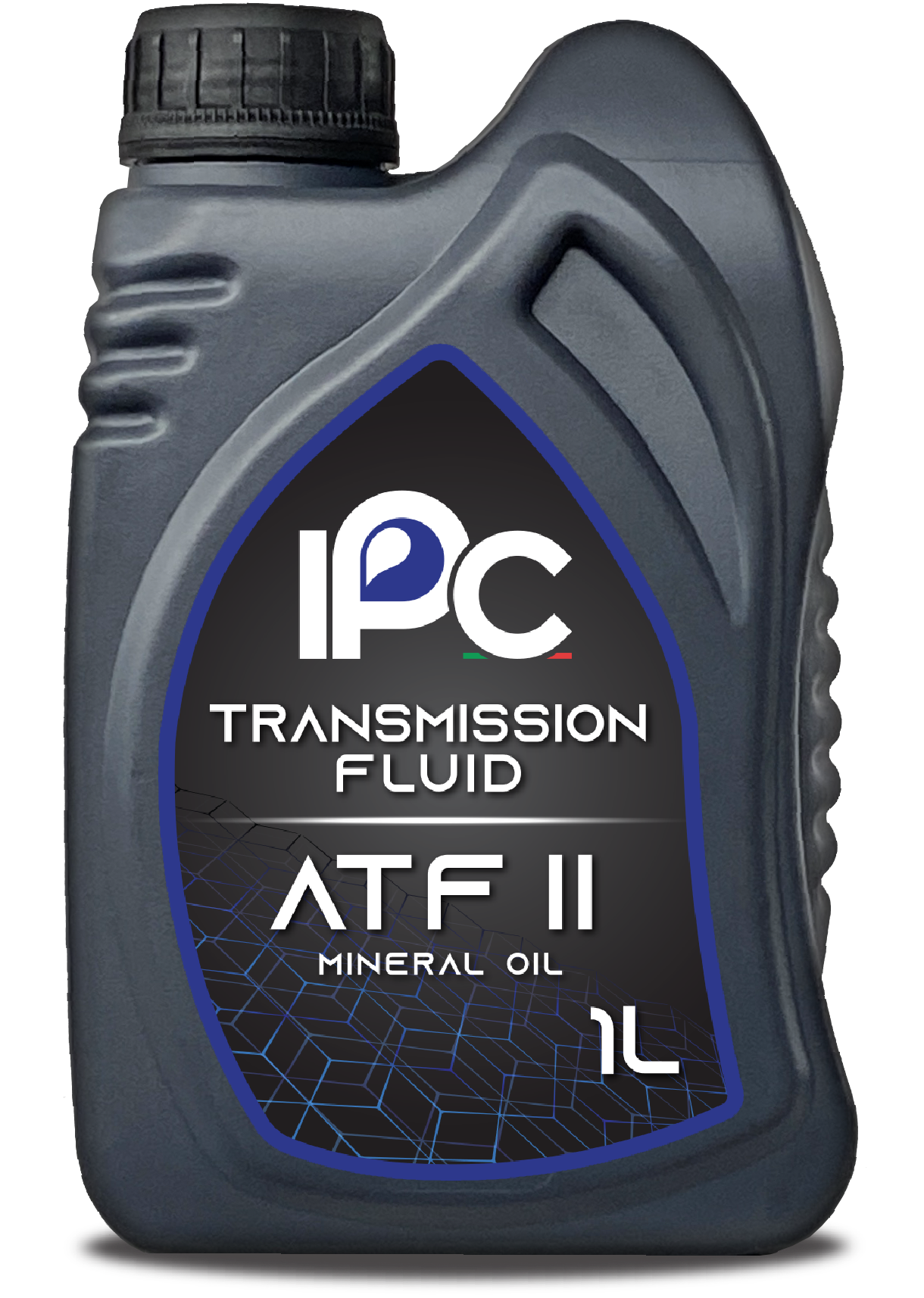
Choosing the best engine oil is one of the most important decisions to ensure high performance, durability, and reliability for your vehicle. A quality oil not only protects engine components from wear, but also improves fuel efficiency and reduces consumption.
Among the most appreciated solutions in the sector, IPC lubricants and oils stand out as a benchmark for drivers, workshops, and companies thanks to their certified quality and their complete range of products suitable for every need.
Why Is It Important to Choose the Right Engine Oil?
An engine is made up of numerous moving parts that generate friction and heat. Engine oil plays a fundamental role:
-
Lubrication of surfaces in contact to reduce friction.
-
Protection against wear and corrosion.
-
Heat dissipation generated during operation.
-
Internal cleaning thanks to its detergent action that prevents deposit buildup.
Using low-quality or unsuitable oil can lead to premature engine wear, higher fuel consumption, and costly maintenance.
What Are the Best IPC Engine Oils?
IPC oils are designed to cover all possible needs, with a complete range of solutions:
🔹 Synthetic Oils
-
Provide maximum protection under extreme temperatures.
-
Ideal for modern, high-performance engines with low emissions.
-
Ensure excellent cold start fluidity and thermal stability.
🔹 Semi-Synthetic Oils
-
A good balance between cost and performance.
-
Perfect for everyday vehicles that require reliability and durability.
🔹 Mineral Oils
-
A traditional, more economical solution.
-
Recommended for older engines or those with high mileage.
How to Choose the Right IPC Engine Oil
When selecting the best engine oil, several factors must be considered:
-
SAE Grade
The grade (e.g., 5W30, 10W40) indicates viscosity at cold and hot temperatures.-
Fluids like 5W30 help with quick starts and lower consumption.
-
More viscous oils such as 10W40 are suitable for older engines or those with wider tolerances.
-
-
Manufacturer Specifications
Each vehicle manufacturer requires oils that meet certain certifications (API, ACEA). IPC oils comply with major international standards. -
Type of Use
-
Urban driving: low-viscosity oils for frequent starts and stops.
-
Long-distance driving: synthetic oils for endurance and stability.
-
Commercial vehicles: specialized oils for diesel engines under heavy load.
-
The Advantages of IPC Oils
Choosing IPC oils means relying on:
-
Certified quality and compliance with international standards.
-
Complete range for cars, commercial vehicles, and industrial machinery.
-
Advanced protection against wear, oxidation, and deposits.
-
Lower consumption thanks to high-efficiency formulations.
Conclusion
The best engine oils are those that meet the specific requirements of your vehicle while following the manufacturer’s guidelines. Thanks to their reliability and complete range, IPC oils are a safe and high-performing choice, suitable for modern cars, commercial vehicles, and industrial applications.