
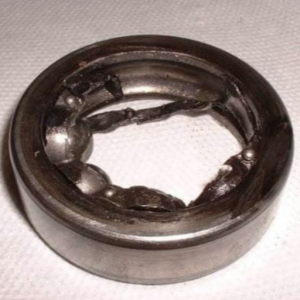
One of the main issues affecting bearings is overheating. This problem, as one might expect, is primarily caused by prolonged exposure to an external heat source or insufficient heat dissipation. Additionally, excessive bearing overheating can result from inadequate lubrication or the absence of an effective cooling process for these components.
But what happens when bearings “suffer” from excessive heat? And what can be done to prevent damage to the entire system?
What Happens When Bearings Overheat
When bearings become excessively overheated, a range of consequences can arise. Not all of these will occur with the same frequency, as much depends on the severity of the factor causing the overheating and the specific characteristics of the bearing.
Given the potential risks posed by an overheated bearing, it is essential to familiarize yourself with the possible outcomes. One of the most noticeable signs is the discoloration of the outer rings, rolling elements, and cages. This color change is a key indicator of overheating and can range from yellow to orange, red, or even blue, depending on the intensity of the heat exposure.
As intuitive as it may seem, changes in external appearance are not the only consequences of overheating. Bearings exposed to temperatures beyond their tolerance limits—often above 200°C—can experience reduced hardness and load capacity, leading to a higher risk of premature failure. In extreme cases, overheating may even cause deformation of the bearing.
The lubricant used with the bearing is also at risk. Excessive heat can degrade or destroy the lubricant, further compounding the problem.
What to Do If You Suspect Bearing Overheating
If bearing overheating is suspected, the best practice is to halt the operation of the system where the bearings are installed and have it inspected by an expert technician. The consultant will perform both stationary and dynamic checks to determine whether the bearing is indeed overheating. They will then identify the source of the excessive heat affecting the component.
Once the root cause of the overheating is identified, efforts should be made to eliminate it and improve heat dissipation. This is crucial not only to prevent further damage to the bearings but also to protect the entire system in which they operate.
If the bearings have already been damaged by overheating, there’s no need to worry. At Cuscinetti & Componenti, you’ll find high-quality products from the best brands for any type of system. With fast delivery, unbeatable prices, and our renowned pre- and post-sales support, we’re here to help. What are you waiting for?