
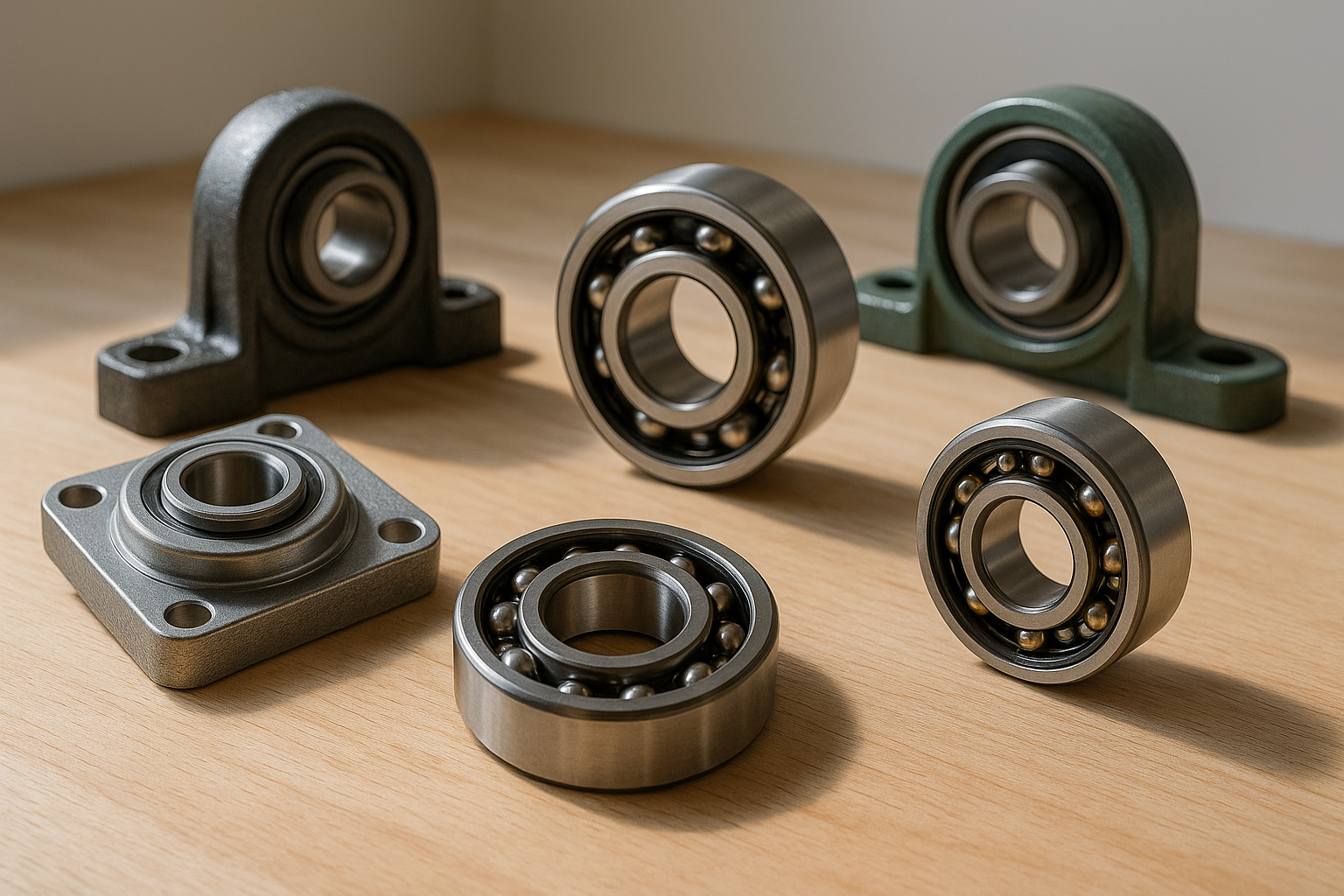
Bearing supports are essential components in mechanical systems, providing stability and precise alignment for rotating shafts and assemblies. Their primary function is to hold bearings securely in place while allowing controlled movement, minimizing friction, and supporting both radial and axial loads. The correct choice of bearing support directly impacts the performance, reliability and lifespan of machinery across various industries.
There are several types of bearing supports, each designed to meet specific operational requirements. Understanding their technical features and typical applications is crucial when selecting the right support for your system. Below, we explore the main categories of bearing supports commonly used in industrial and commercial settings.
Fixed Supports
Fixed supports are engineered to restrict both axial and radial movement of the bearing within its housing. This type ensures that the shaft remains securely positioned during operation, preventing unwanted displacement or misalignment. Fixed supports typically feature robust housings made from cast iron or steel, offering high load-carrying capacity and durability.
These supports are widely used in heavy-duty applications such as conveyor systems, gearboxes, pumps, and electric motors—where precise shaft positioning is critical for optimal performance. Their rigid construction makes them suitable for environments with significant vibration or impact loads.
Floating Supports
Floating supports allow limited axial movement while still providing radial support to the bearing. This design accommodates thermal expansion or contraction of shafts during operation without inducing stress on the assembly. Floating supports often use slotted housings or special mounting arrangements to enable this controlled movement.
Typical applications include long shaft installations found in industrial fans, compressors, or paper machines—where temperature fluctuations can cause noticeable shaft elongation. By permitting slight shifts along the axis, floating supports help maintain alignment and prevent premature wear on bearings.
Adjustable and Self-Aligning Supports
Adjustable and self-aligning bearing supports are designed to compensate for minor misalignments between the shaft and housing. These types often incorporate spherical seats or flexible inserts that allow angular adjustment during installation or operation.
This flexibility makes them ideal for use in agricultural equipment, mining machinery, textile production lines, or any application where perfect alignment cannot be guaranteed due to structural tolerances or dynamic loading conditions. Self-aligning supports help reduce maintenance needs by minimizing uneven load distribution on bearings.
- Fixed Supports: Provide maximum rigidity; best for precise positioning under heavy loads.
- Floating Supports: Allow axial movement; essential where thermal expansion occurs.
- Adjustable/Self-Aligning Supports: Compensate for misalignment; suitable for systems with variable geometry or installation tolerances.
Selecting the appropriate bearing support type depends on factors like load direction, operating environment, required precision, and expected thermal changes. By understanding these technical characteristics and typical uses, you can ensure reliable performance from your machinery while reducing downtime and maintenance costs.
How to Select the Right Bearing Support for Your Application

Choosing the correct bearing support is a critical step in ensuring optimal performance and longevity of your mechanical systems. The selection process involves evaluating several technical factors to match the support type with both the bearing and the specific application requirements. A precise approach minimizes operational risks and maximizes efficiency, especially when sourcing components through specialized ecommerce platforms.
Essential Criteria for Selecting Bearing Supports
Begin by identifying the primary function of the bearing support within your system. Consider whether it needs to provide rigidity, accommodate misalignment, or allow axial movement due to thermal expansion. Assess load direction—radial, axial, or combined—and estimate both static and dynamic loads expected during operation. Material compatibility is also crucial; supports must withstand environmental conditions such as humidity, dust, chemicals, or extreme temperatures.
- Load capacity: Ensure the support can handle maximum anticipated forces without deformation.
- Mounting configuration: Verify that mounting options align with your machinery’s design.
- Maintenance access: Choose supports that facilitate easy inspection and replacement if needed.
The Importance of Compatibility
A successful installation depends on seamless compatibility between the bearing support, the bearing itself, and the working environment. Mismatched components can lead to premature wear, increased vibration, or even catastrophic failure. Always confirm dimensional tolerances and shaft fit before purchasing. If your application involves high speeds or variable loads, prioritize supports designed for those conditions to maintain stability and reduce maintenance intervals.
Leveraging Specialized Ecommerce Platforms
Sourcing bearing supports from dedicated ecommerce stores offers distinct advantages over general suppliers. Specialized platforms provide advanced search filters—such as load rating, material type, housing style, and shaft size—that streamline product selection based on your technical criteria. Detailed product descriptions and downloadable datasheets further assist in verifying compatibility before purchase.
- Wide selection: Access a comprehensive inventory tailored to industrial needs.
- Technical support: Benefit from expert guidance via live chat or customer service channels.
- User reviews: Gain insights from other professionals regarding performance in real-world applications.
An additional advantage is transparent pricing and immediate availability information—key factors for minimizing project delays. Many ecommerce sites also offer bulk discounts or loyalty programs for repeat buyers in manufacturing or maintenance sectors.
Selecting the right bearing support requires careful consideration of technical demands and operational context. By leveraging specialized online resources and focusing on compatibility at every stage, you can ensure reliable system performance while streamlining procurement processes.
Common Mistakes When Choosing or Installing Bearing Supports
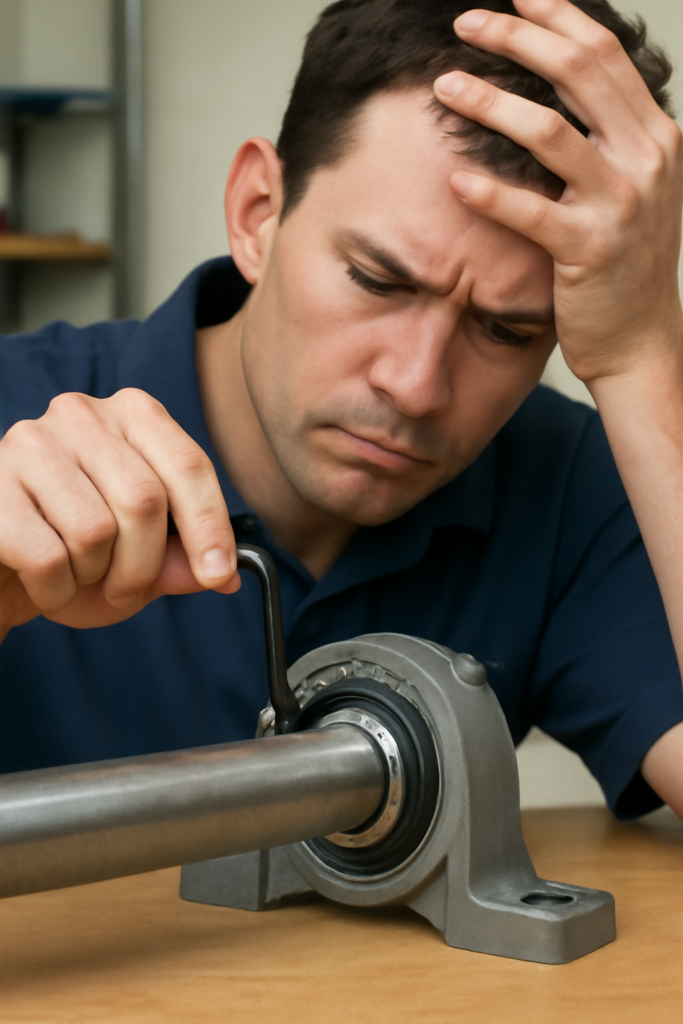
Even experienced engineers and maintenance professionals can encounter issues when selecting or installing bearing supports. These mistakes can compromise system performance, increase operational costs, and lead to unexpected downtime. Understanding the most frequent pitfalls is essential for ensuring long-term reliability and efficiency in any mechanical setup.
Risks of Selecting the Wrong Support Type
Choosing an inappropriate bearing support type exposes your machinery to several risks. The most immediate consequence is inadequate load distribution, which may cause excessive wear on both the bearing and its housing. This mismatch often leads to premature failure, resulting in costly repairs or replacements.
Another common risk is reduced system stability. If the support does not match the application’s dynamic requirements—such as vibration resistance or misalignment tolerance—the entire assembly can become vulnerable to operational shocks or even catastrophic breakdowns. In critical environments, this can halt production lines and disrupt supply chains.
Impact on System Efficiency and Lifespan
The wrong support type does more than just threaten immediate functionality; it also undermines overall system efficiency. Improperly supported bearings generate excess friction, increasing energy consumption and heat generation within the assembly. Over time, this accelerates lubricant degradation and further shortens component lifespan.
Poor support selection also affects precision applications where alignment is crucial. Even minor deviations can result in increased vibration, noise, and reduced accuracy—factors that are especially problematic in high-speed or automated systems.
Practical Tips to Avoid Common Errors
- Review all technical specifications: Always cross-check load ratings, shaft diameters, mounting configurations, and environmental compatibility before finalizing a purchase.
- Consult manufacturer documentation: Use datasheets and installation guides provided by reputable brands to ensure correct pairing between bearings and supports.
- Avoid assumptions based on appearance: Visually similar supports may have vastly different performance characteristics; rely on technical data rather than looks alone.
- Verify installation procedures: Follow torque recommendations for fasteners and ensure proper alignment during mounting to prevent stress concentrations.
- Leverage expert advice: When in doubt, reach out to technical support teams available through specialized ecommerce platforms for clarification on product suitability.
A systematic approach—combining thorough research with careful installation—helps prevent many of the most damaging mistakes associated with bearing supports. By prioritizing technical accuracy at every stage, you protect both your equipment investment and operational uptime.
FAQ: Bearing Support Types and Online Purchasing Tips
Common Questions About Bearing Support Types
What is the difference between standard and heavy-duty bearing supports?
Standard bearing supports are designed for typical industrial loads and moderate operating conditions. Heavy-duty supports, on the other hand, feature reinforced housings and higher load ratings to withstand demanding applications such as mining, heavy machinery, or continuous operation environments. Always refer to the manufacturer’s specifications to match your application requirements.
Can I use any bearing support with any bearing?
No. Compatibility depends on several factors including shaft diameter, mounting style, load direction, and environmental exposure. Using an incompatible support can lead to premature failure or safety risks. Always verify fitment using technical datasheets before purchase.
How do I identify the correct mounting configuration?
Mounting configurations—such as pillow block, flange, or take-up—are determined by your equipment’s design and space constraints. Review your machinery’s layout and consult installation diagrams to select the appropriate type. If in doubt, contact technical support for guidance.
Online Shopping: What Should I Check Before Buying?
- Product authenticity: Buy only from authorized distributors or reputable ecommerce platforms that provide manufacturer warranties and traceable supply chains.
- Detailed product information: Ensure listings include full technical data—dimensions, material specifications, load ratings—and clear images of the actual product.
- User reviews and ratings: Look for feedback from other buyers about product quality, shipping reliability, and customer service responsiveness.
- Availability of replacement parts: Confirm that spare parts or compatible accessories are readily available through the same supplier if needed in the future.
Warranty, Returns, and After-Sales Support
What warranty coverage should I expect when buying online?
Most reputable sellers offer a manufacturer-backed warranty covering defects in materials or workmanship for a specified period—typically six months to two years. Always check warranty terms before purchase; some exclusions may apply based on usage conditions or improper installation.
How do returns work for bearing supports purchased online?
Return policies vary by seller but generally allow returns within a set timeframe (often 14–30 days) if products are unused and in original packaging. Some platforms may charge restocking fees or require buyer-paid return shipping. Review return procedures carefully before finalizing your order.
If I need technical assistance after my purchase, what options are available?
Specialized ecommerce sites often provide post-sale support via email, phone hotlines, or live chat with technical experts. Take advantage of these resources for help with installation questions, troubleshooting issues, or selecting compatible replacement components.
Troubleshooting Common Issues After Purchase
- If you receive a component that does not match the ordered specifications (size, type), contact customer service immediately for resolution options such as exchange or refund.
- If you encounter difficulties during installation—such as misalignment or unclear instructions—refer to official documentation provided by the manufacturer or reach out to their technical support team for step-by-step guidance.
- If operational noise or excessive vibration occurs after installation, double-check compatibility between bearing and support type; improper pairing is a frequent cause of such problems.
Navigating online purchases of bearing supports requires careful attention to product details and seller policies. By staying informed about compatibility requirements and leveraging available after-sales services, you can ensure reliable performance from your mechanical systems while minimizing downtime risks.