
How to recognise false brinelling and fretting corrosion on bearings from standby, stored and shipped machines, how they differ from true brinelling and how to prevent them.
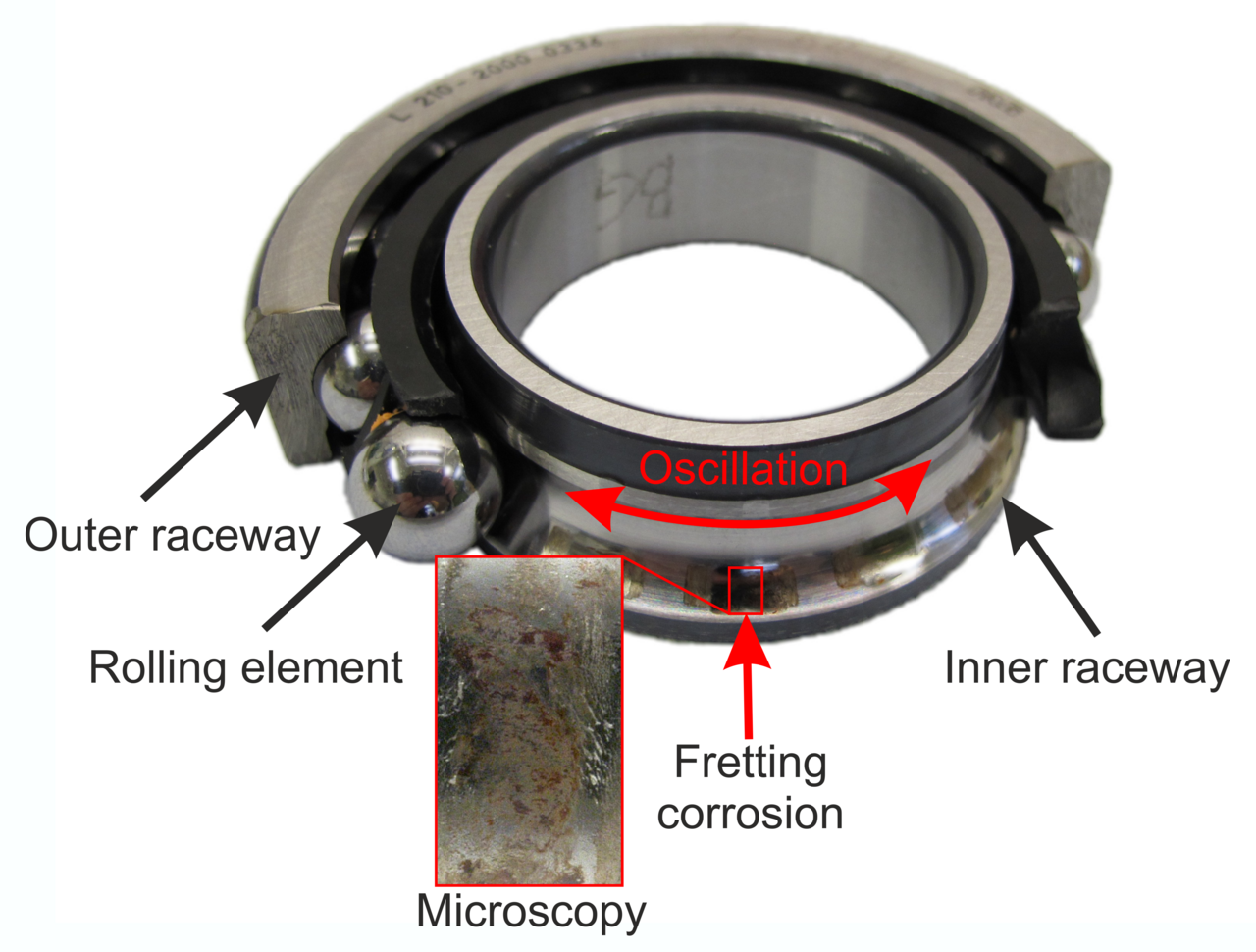
How to recognise false brinelling and fretting corrosion on bearings from standby, stored and shipped machines, how they differ from true brinelling and how to prevent them.
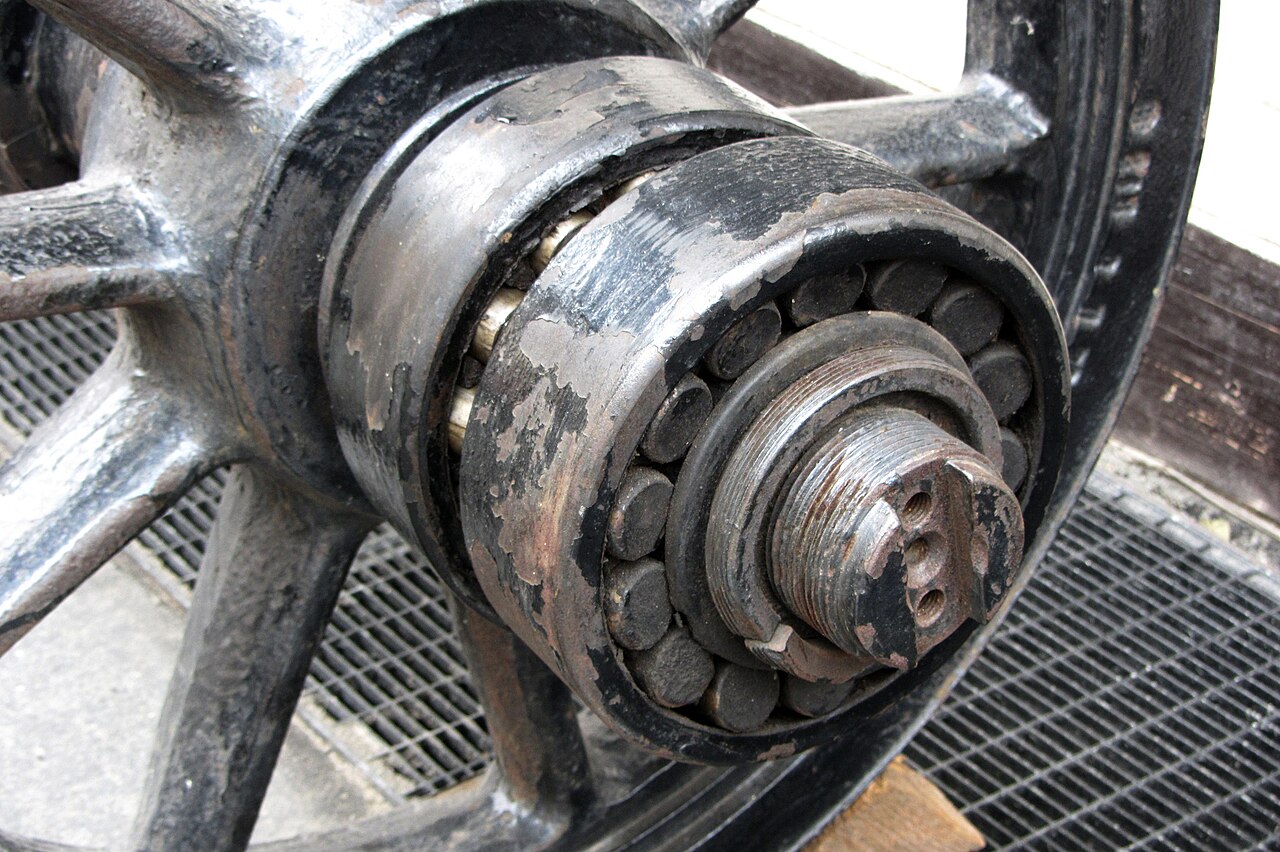
What the W33 groove and three holes in a spherical roller bearing outer ring actually do, how much grease to pump through them and the mistakes that starve the centre.
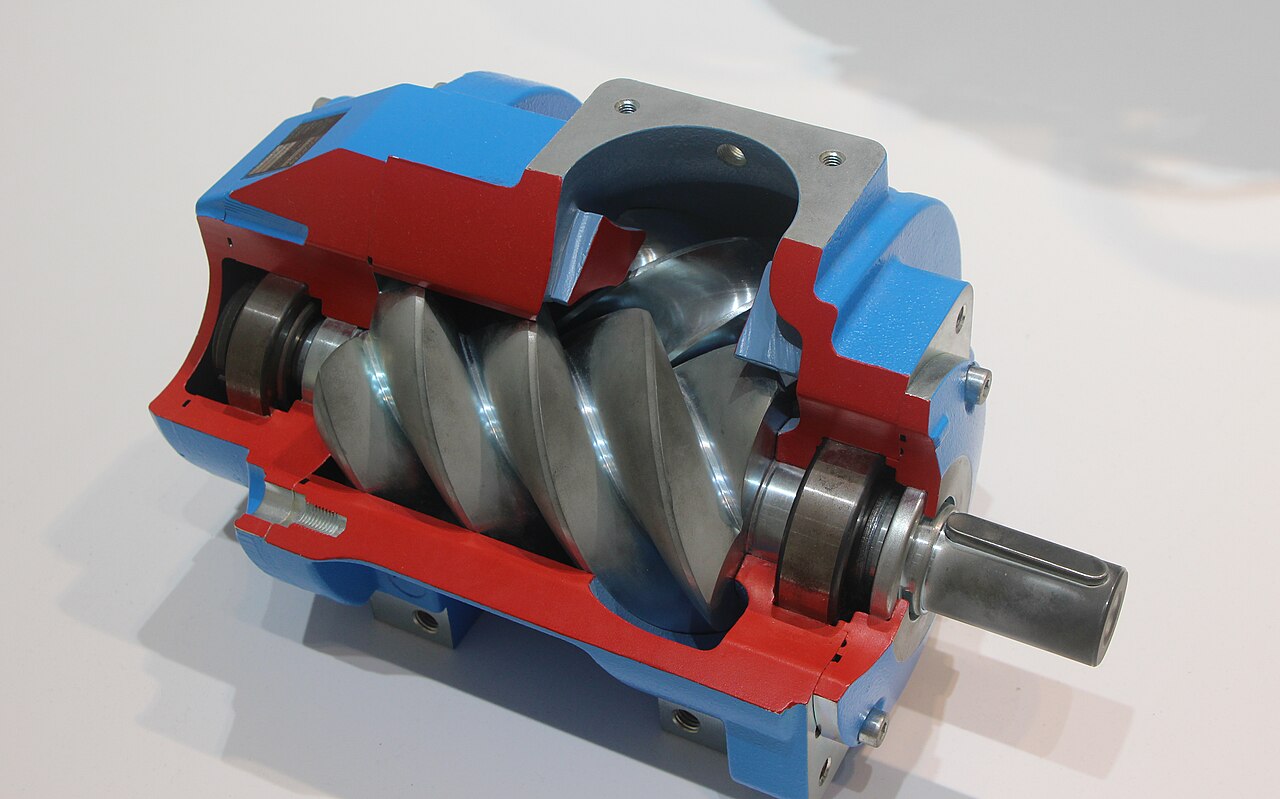
Why screw compressors use cylindrical roller bearings for radial loads and angular contact sets for thrust, and how preload, oil and arrangement decide airend life.
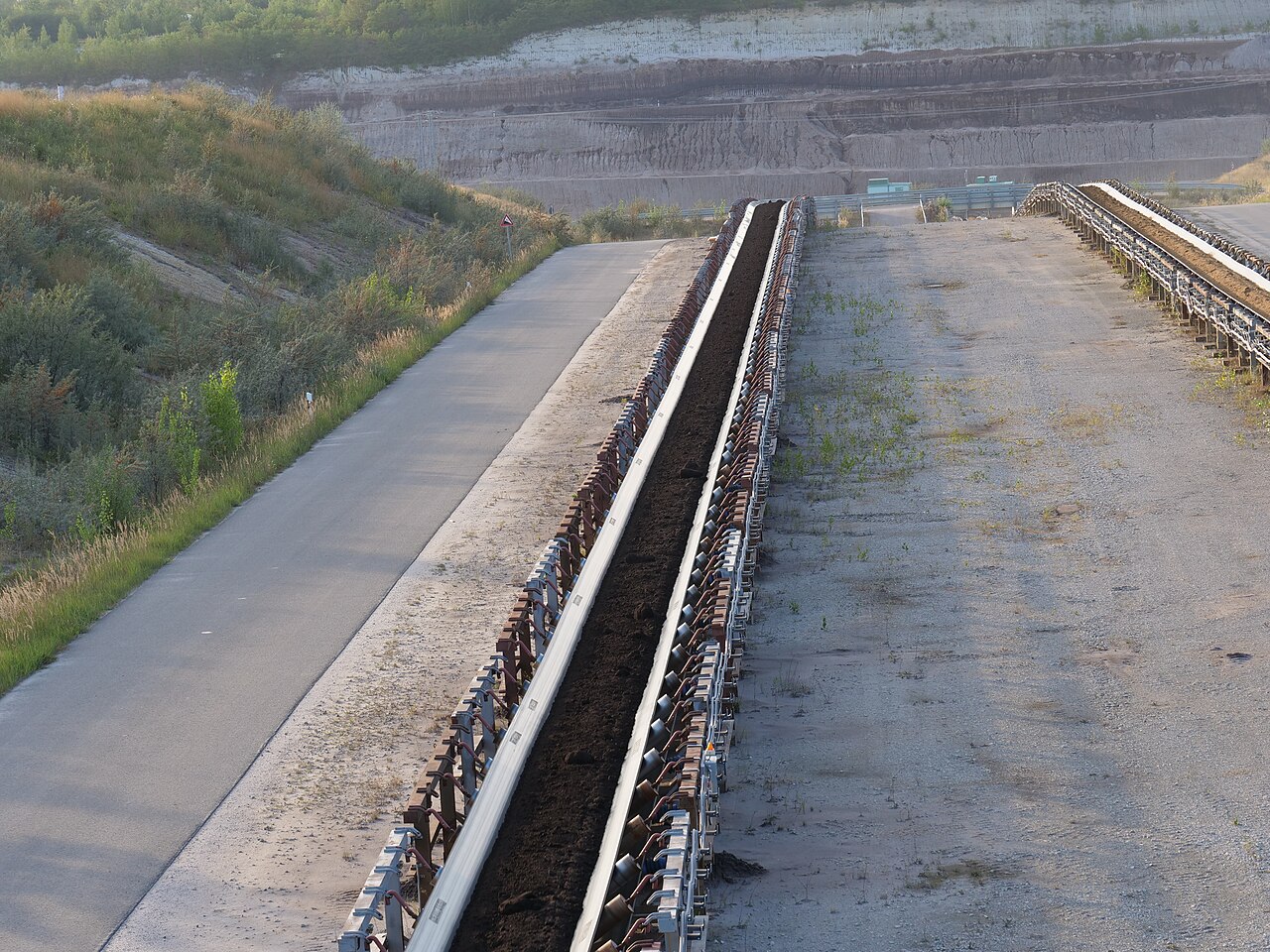
How to protect bearings in mining conveyors, idlers and crushers from abrasive dust and impact: seal design, grease purging, clearance and static safety.
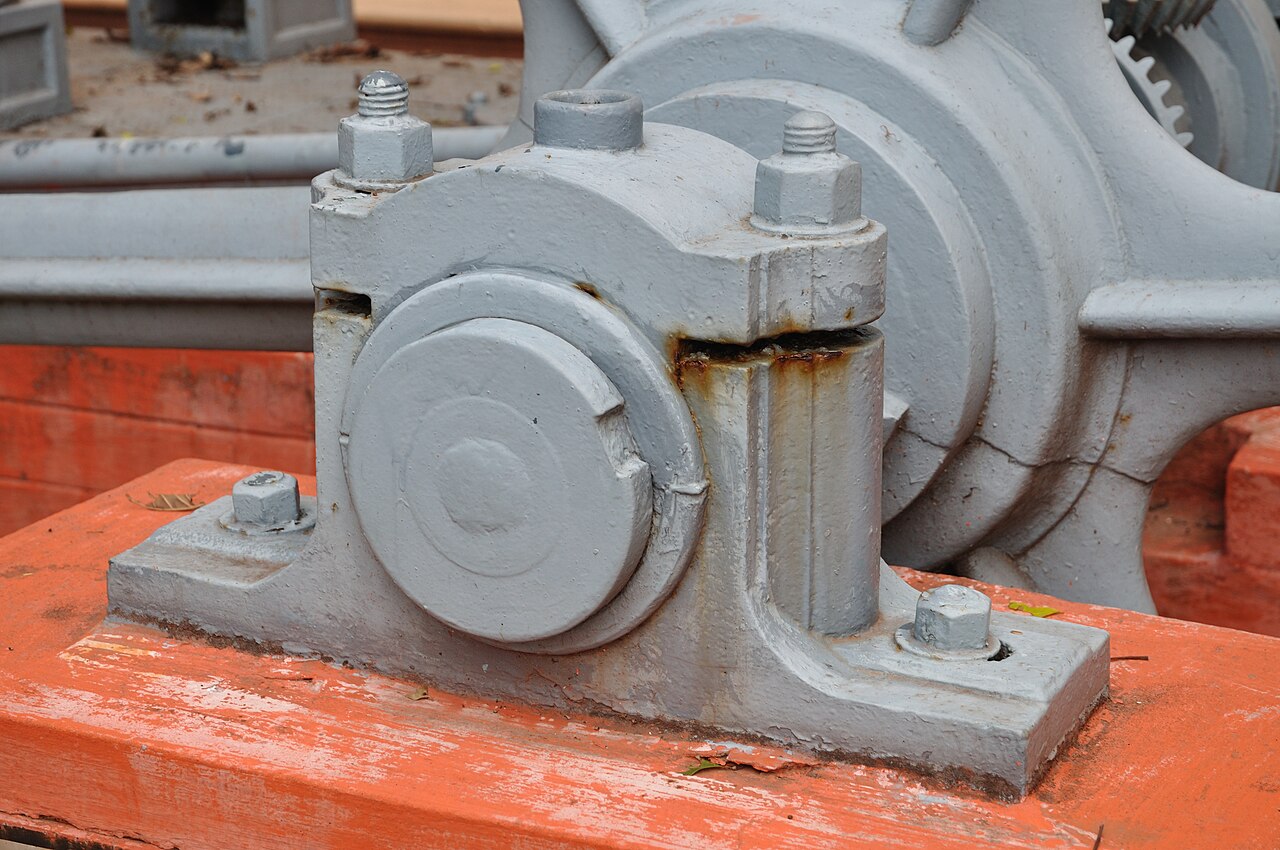
How to size split plummer block housings for spherical roller bearings, choose seals for the environment and set up locating and non-locating positions.
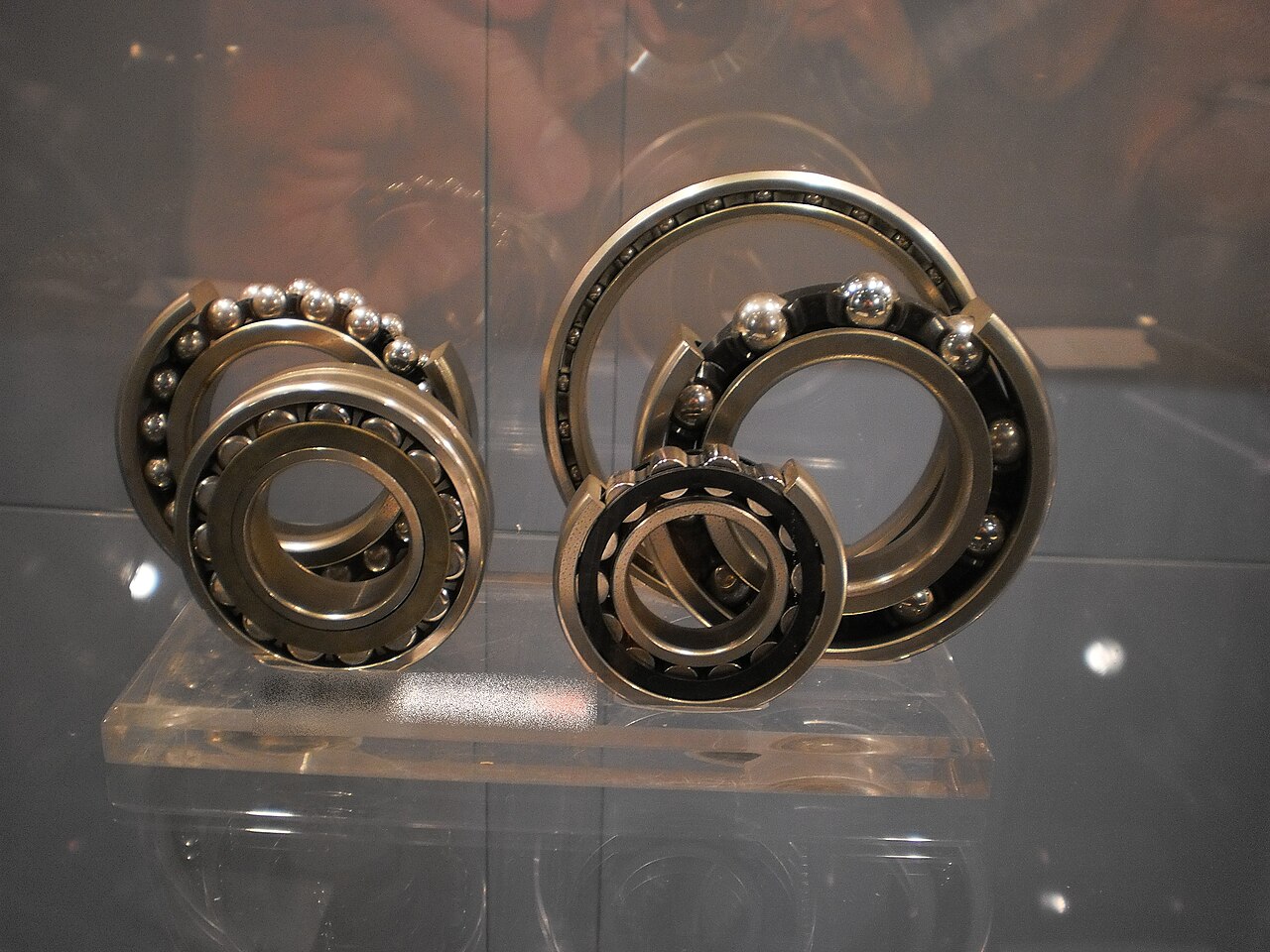
4200 and 4300 double row deep groove ball bearings add radial capacity in the same envelope as 6200 and 6300. When they beat two single rows and when they fail.
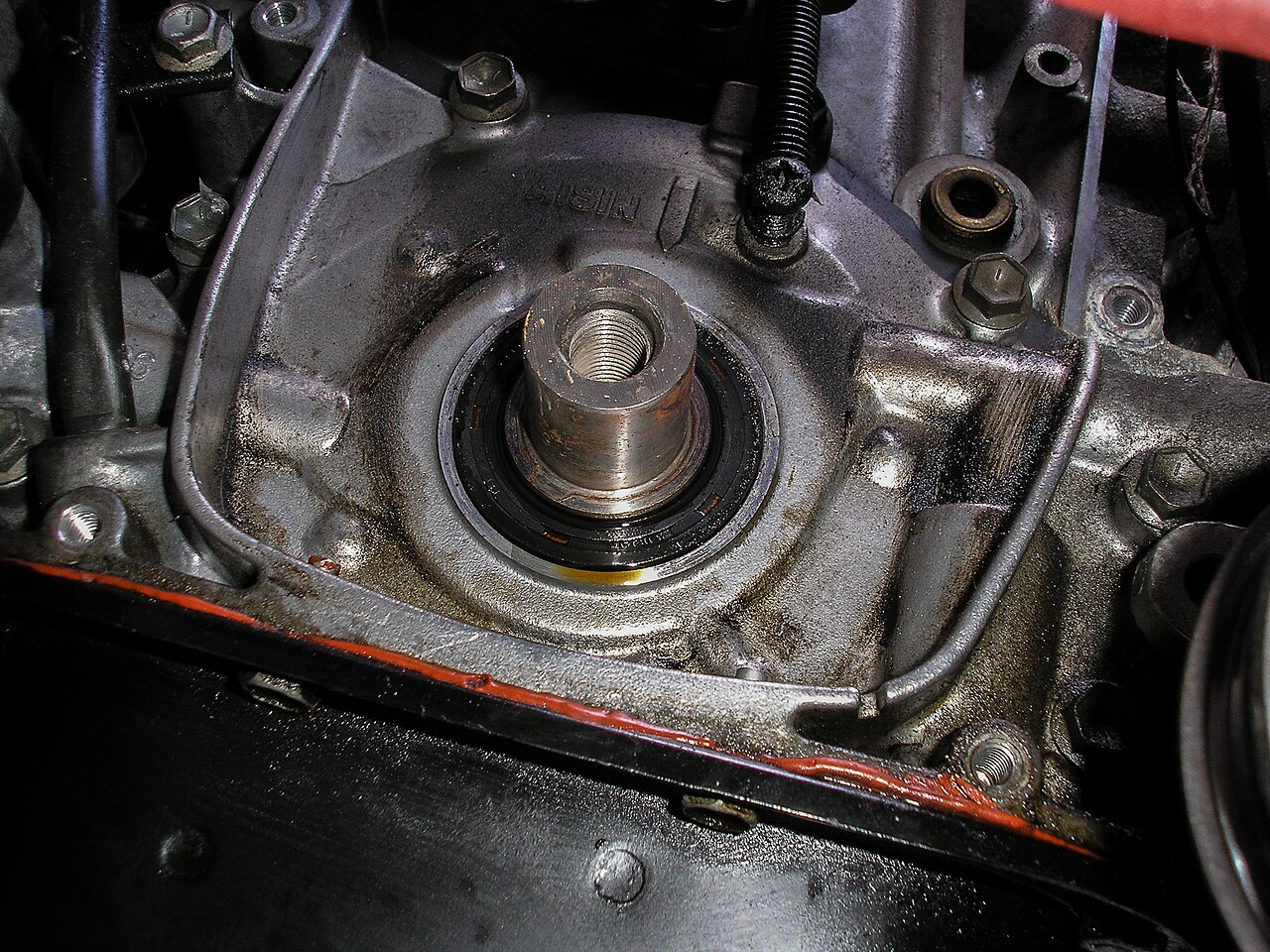
DIN 3760 Type A, B and C shaft seals differ at the outside diameter. How bore material, finish and installation decide between rubber-covered and metal-cased seals.
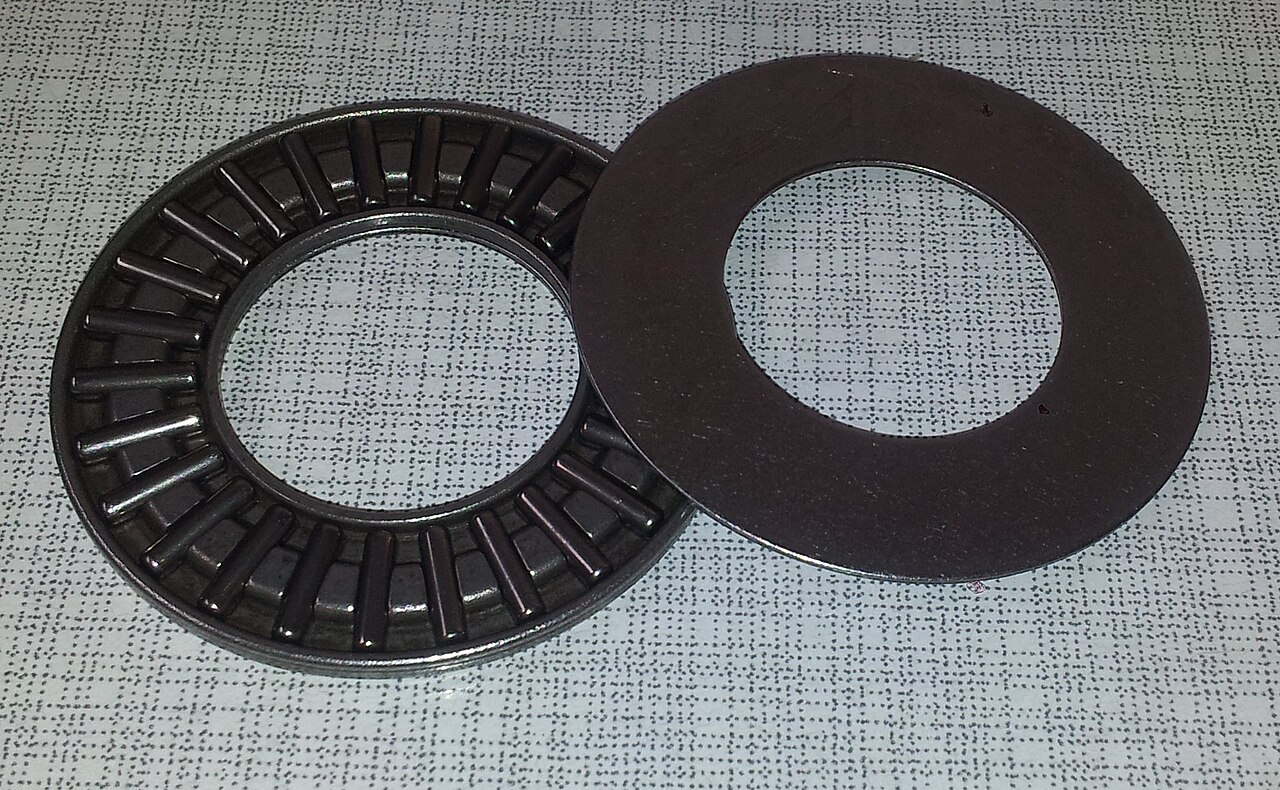
Thrust ball and roller bearings explained: 511, 512 and 522 series, shaft and housing washers, minimum axial load, speed limits and when needle, cylindrical or spherical roller thrust designs fit better.

Why circlips and retaining rings let bearings walk: DIN 471 and DIN 472 groove geometry, ring versus groove capacity, chamfer effects, snap ring bearings, lock nuts and common installation errors.
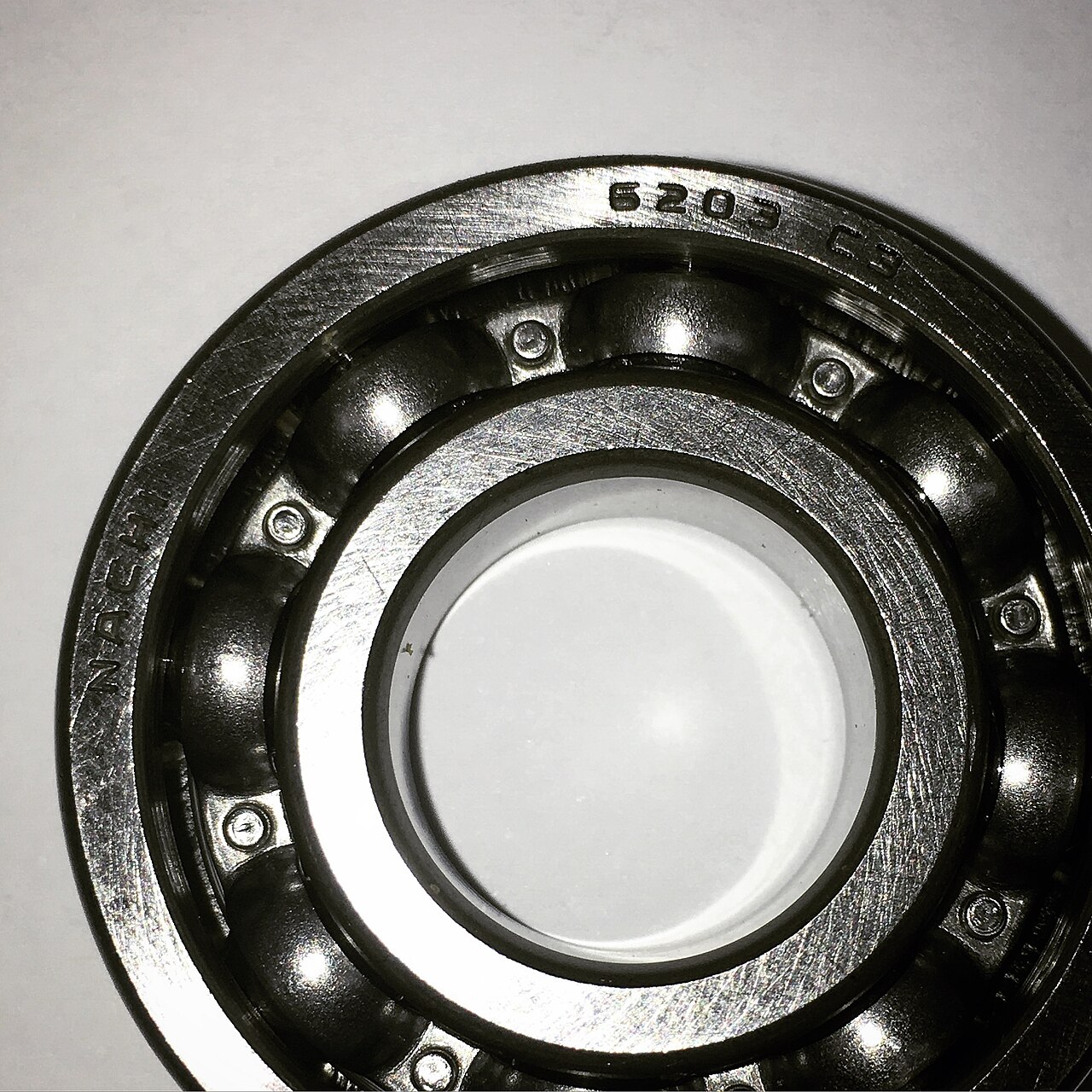
Interference fits and temperature gradients eat into bearing clearance before the machine settles. How to choose between CN, C3 and C4 for electric motors, fans and vibrating screens, and how to read the marking.