
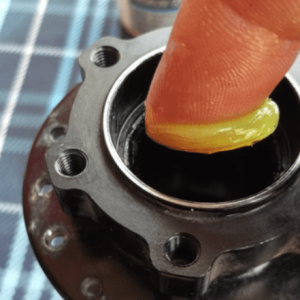
As we have frequently mentioned on our blog, lubrication is essential for ensuring the correct use of bearings. Since this process is a priority for maintaining optimal performance, it is important to clarify some key concepts that are often underestimated.
Let’s start by exploring grease lubrication systems.
How Much Grease Do Bearings Need?
The first point to keep in mind—and, if necessary, discuss with your trusted consultant—is the amount of grease required for proper bearing lubrication. Contrary to common belief, excessive amounts of grease are not necessary for effective lubrication. In many cases, frequent re-greasing is not required.
As expected, the frequency of re-greasing and the amount of grease needed depend on factors such as:
✔ The type of bearing
✔ Its size
✔ Rotational speed
✔ Operating conditions that may affect its efficiency
That said, you don’t need to perform complicated calculations to determine your lubrication needs. Simply refer to the manufacturer’s user manual, and if needed, consult a trusted specialist to estimate re-greasing intervals and usage quantities. These estimates take into account the bearing’s temperature, operating conditions, and expected lifespan.
Which Grease Should Be Used?
Another important factor to consider is the type of grease used in the bearing. For example, high-quality lithium-based synthetic oil greases often provide longer lubrication intervals compared to standard bearing greases. Choosing the right lubricant can help reduce maintenance efforts and extend bearing life.
How Important Is It to Protect Bearings from External Elements?
One crucial aspect that affects lubrication effectiveness and its longevity is the level of isolation from external contaminants.
Grease lubrication efficiency can significantly decrease due to:
- Emulsification (mixing with water)
- Deterioration caused by the penetration of dust, moisture, or foreign substances
If the bearing is not properly sealed, planned lubrication intervals may need to be shortened to prevent performance degradation.
Size Matters!
Another major factor influencing lubrication frequency is the size of the bearing:
- Larger bearings or those operating at high speeds typically require more frequent lubrication.
- To facilitate lubrication, these bearings are often equipped with dedicated grease insertion holes, eliminating the need for disassembly every time re-lubrication is required.
Find the Right Bearing for Your Needs
For any bearing-related needs, Cuscinetti & Componenti has the replacement parts you’re looking for. Contact our pre- and post-sales technical support for further information!