
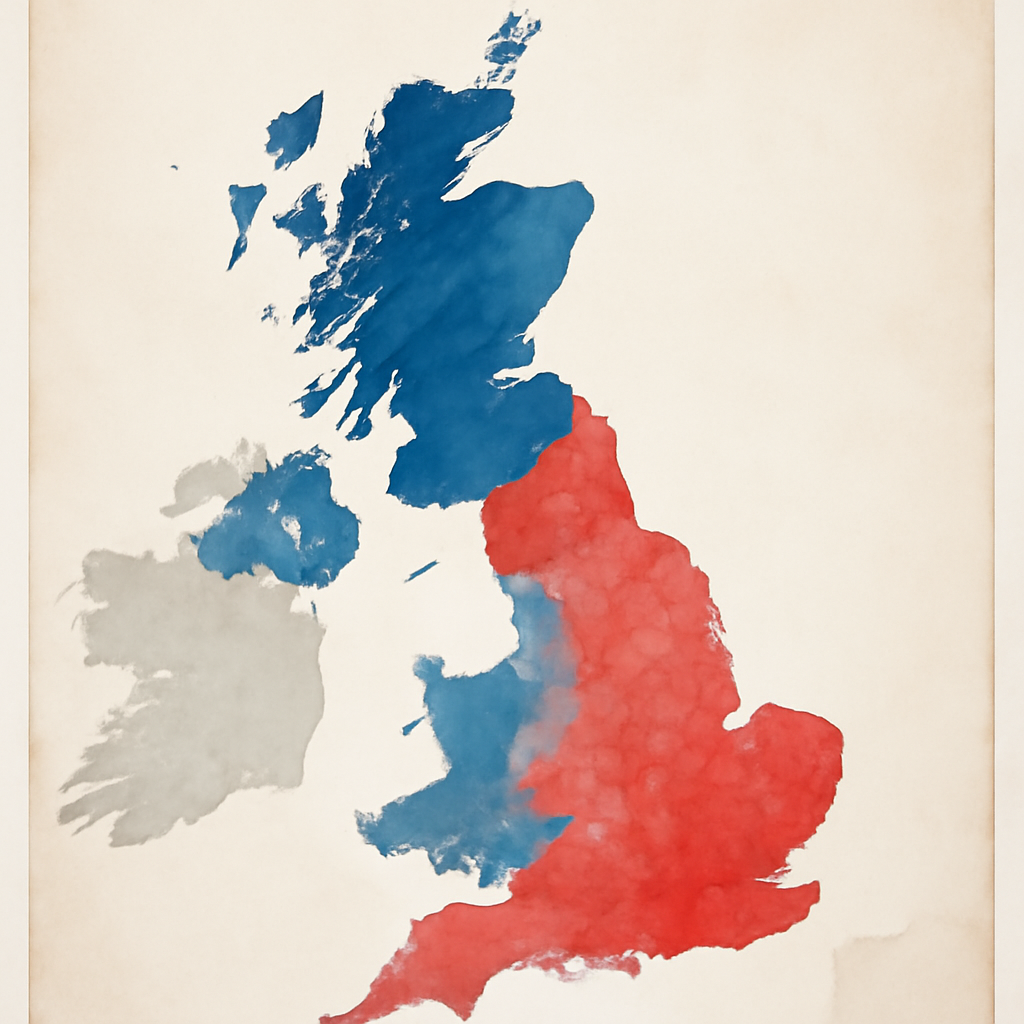
The United Kingdom bearing distribution landscape post-Brexit has settled into a stable pattern that differs meaningfully from the pre-2020 continental European integration. Five years into the post-Brexit reality, UK distributors have adjusted supply chains, pricing structures and customer relationships to work within the new trade framework. This piece walks through how the UK bearing market actually operates in 2026 and what the pattern implies for procurement teams.
The supply chain adjustment
UK bearing distributors have moved to local warehousing and consolidated European hub distribution over the past five years. The initial Brexit disruption drove distributors to build UK-based safety stock rather than rely on rapid replenishment from continental European warehouses. This pattern has become permanent — UK distributors typically hold larger safety stock than continental European equivalents, which affects their working capital and pricing structure.
The pricing structure difference
UK bearing prices sit 8 to 15 percent above continental European aftermarket equivalents at distributor level. The gap reflects the working capital cost of the larger safety stock plus the customs and administration overhead of post-Brexit supply chains. This price gap is stable rather than closing — it represents the permanent cost of the trade friction rather than a transitory disruption.
The customer segment adjustments
UK industrial customers have adjusted procurement patterns accordingly. Large customers with sophisticated procurement operations often source directly from continental European distributors when the volume justifies the customs handling. Small and mid-size customers rely on UK-based distributors for convenience and rapid response. The pattern splits by customer size rather than by application category.
The brand availability pattern
All major bearing brands — SKF, TIMKEN, FAG, INA, Koyo, NSK — remain available through UK distribution channels. Lead times on specialty sizes are marginally longer than continental European equivalents. Standard aftermarket sizes ship from UK safety stock without lead time impact. The specialty categories where delays occur are the ones most exposed to customs handling complexity.
The RHP heritage brand position
The RHP heritage brand retains meaningful specification presence in UK industrial applications specifically because of the local historical incumbency. RHP self-lube ball bearings remain the reference specification on certain older UK industrial installations, and UK distributors carry the range as a specification incumbent. Cross-brand substitution is technically feasible but often not commercially justified given customer preference for RHP retention.
The rolling-element bearing regulatory alignment
UK technical bearing standards continue to track European CEN and ISO specifications. There has been no meaningful divergence in the technical standards framework post-Brexit. Bearings that meet European ISO specifications also meet UK BSI specifications. Regulatory divergence has not been a practical concern for bearing procurement.
The Scottish and Northern Irish considerations
Scottish bearing distribution operates within the same UK framework. Northern Irish distribution operates under the Windsor Framework with different customs rules — bearings can move between Northern Ireland and Republic of Ireland more freely than between Northern Ireland and Great Britain in some scenarios. This creates specific supply chain nuances for cross-border industrial operations.
The UK aftermarket demand trajectory
UK industrial bearing demand has followed the broader European pattern of gradual stabilisation after 2023-2025 contraction. UK PMI readings have tracked German PMI with a 1 to 2 month lag through H1 2026. UK-specific industrial demand drivers remain the traditional manufacturing sectors in the Midlands and North of England.
The takeaway for procurement teams
UK bearing procurement operates on a stable post-Brexit framework with predictable 8 to 15 percent premium over continental equivalents. Large UK customers with volume may benefit from direct continental sourcing. Small and mid-size UK customers should build relationships with local UK distributors for convenience and reliability. Do not expect the UK premium to close — it is structural rather than transitional.
Related coverage on Eurobearing
- UK Industrial Bearings Post-Brexit
- EU Bearing Distributor 2030
- Comparing Top 6 Brands
- EU Distributor Inventory Q4 2026
- Bearing Market H2 2026
Need help navigating UK vs continental European bearing sourcing? Our team supports procurement teams with cross-border strategy. Book a free consultation.