
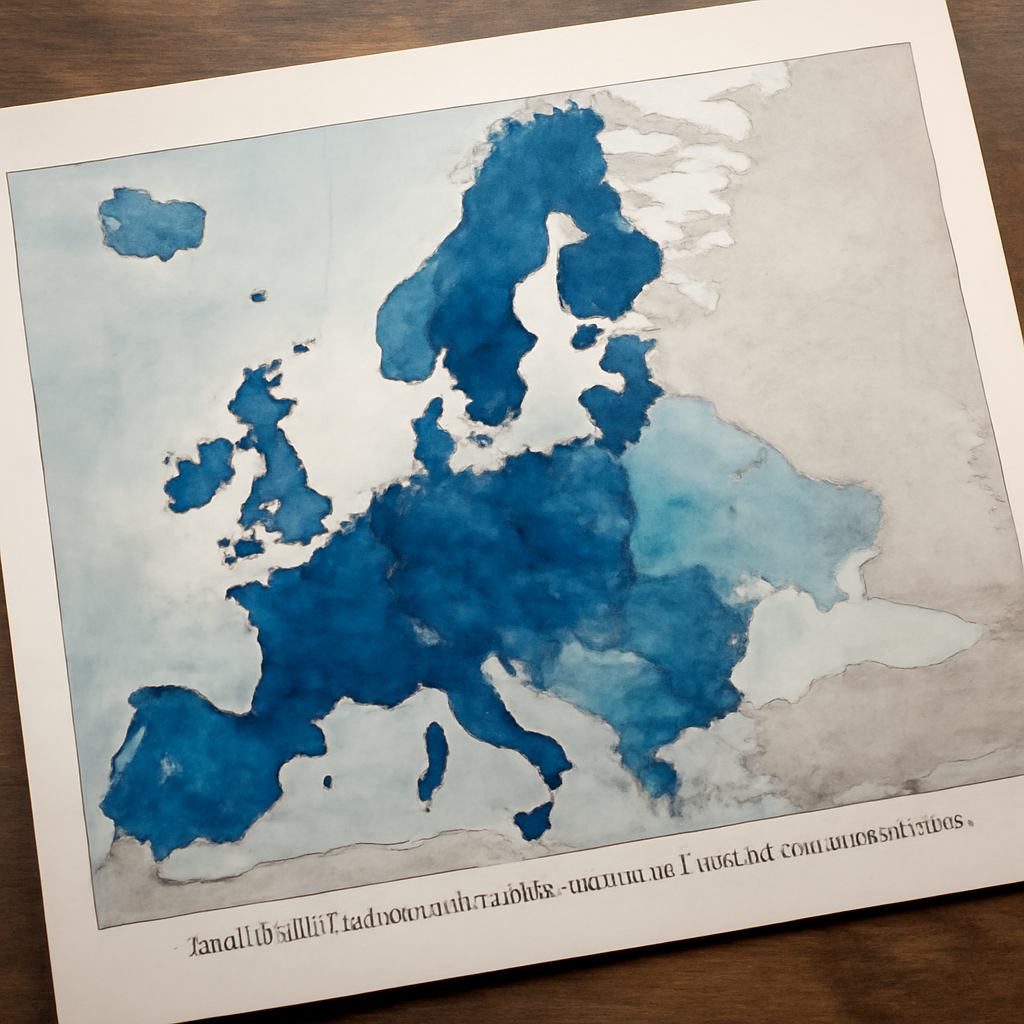
The European bearing distribution map in 2026 reflects two decades of consolidation, brand channel evolution and geographic industrial specialisation. Understanding where the volume actually sits across the European bearing distribution landscape tells procurement teams something useful about supplier positioning, distributor commercial dynamics, and how the industry will evolve through 2030. This deep-dive walks through the map.
The market structure by revenue segment
European bearing distribution splits across three revenue segments. The top segment includes 8 to 12 distributors with annual revenue above 50 million euros — international specialty distributors serving multi-country customers. The middle segment includes 40 to 60 distributors with revenue between 10 and 50 million euros — national specialty distributors dominating specific European countries. The base includes hundreds of smaller distributors serving regional and local markets.
The German distribution landscape
Germany hosts the largest bearing distribution volume in Europe. Key distributors include large industrial supply chains like Kluber Lubrication (parent group), several specialty bearing houses concentrated in the Ruhr and Bavaria regions, and international distributor branches. German distribution structure reflects the industrial mechanical engineering concentration in specific regional clusters.
The Italian distribution landscape
Italian bearing distribution serves the country’s mechanical engineering, food-processing, packaging equipment and agricultural equipment sectors. Distribution concentrates around Milan, Bologna, Torino and Naples with specialty focus in each region. Italian family-owned distributors dominate the mid-market and have retained meaningful competitive position against international chain consolidation.
The French distribution landscape
French bearing distribution splits between industrial-focused distributors serving Île-de-France and Rhône-Alpes industrial regions, and automotive-focused distributors serving the traditional Renault, Peugeot and Citroën aftermarket. SNR distribution channel maintains particular strength in France.
The UK distribution landscape
UK bearing distribution operates under post-Brexit customs framework that has driven local safety stock investment. Major distributors including the traditional UK bearing houses maintain warehouse operations serving the Midlands, North of England and Scottish industrial customers. Pricing reflects the customs handling premium characteristic of post-Brexit European supply chains.
The Iberian distribution landscape
Spanish and Portuguese bearing distribution serves the traditional industrial sectors plus growing renewable energy and automotive assembly. Spanish distribution has consolidated more than Portuguese which retains fragmented structure. Wind energy bearing distribution has grown meaningfully across both countries.
The Central and Eastern European landscape
Polish, Czech, Hungarian and Slovakian bearing distribution has grown with the industrial expansion in these markets. Distributors serve both Western European brand aftermarket (SKF, FAG, INA) and local specifications where Asian brand competition has gained share. This region is the growth story for European bearing distribution in the mid-decade.
The rolling-element bearing distribution consolidation trend
Consolidation across European bearing distribution has continued through 2024-2026 but at slower pace than previous decades. The remaining independent mid-market distributors have found competitive positioning through specialty focus and technical service depth. Pure consolidation cases have decreased while strategic partnerships and channel agreements have increased.
The brand-channel dynamics
Major bearing brands operate through mixed distribution channels: exclusive distributor arrangements in some markets, non-exclusive multi-brand distribution in others, and increasingly direct-to-customer sales for large accounts. This mixed structure creates commercial dynamics that vary meaningfully across European markets. SKF, TIMKEN, FAG and other majors calibrate channel strategy market by market.
The e-commerce and digital distribution
Digital distribution of bearings has grown meaningfully through 2020-2026 but has not replaced traditional distribution for technical bearing categories. Standard aftermarket bearings — 6205, 6208, common tapered rollers — see meaningful e-commerce competition. Specialty and premium ranges continue to sell through traditional distributor relationships because the technical selection and support matter.
Where the volume really concentrates
The top 30 European bearing distributors collectively handle roughly 60 to 70 percent of European industrial bearing distribution volume. The remaining 30 to 40 percent spreads across hundreds of smaller distributors. For procurement teams building pan-European supply relationships, the top 30 relationships cover most of the required geographic and technical coverage.
The takeaway for procurement teams
The 2026 European bearing distribution map rewards procurement teams that understand geographic and specialty positioning rather than treating European distribution as monolithic. Build relationships with distributors positioned in your specific geographic and technical segments. Recognise the growing importance of Central and Eastern European distribution as industrial growth shifts eastward. Balance top-30 distributor relationships with regional specialists for optimal coverage.
Related coverage on Eurobearing
- EU Distributor 2030
- UK Distribution Post-Brexit
- Polish Industrial Growth
- Consignment Stock Program
- SKF vs TIMKEN Pricing
Need help mapping European distribution for your procurement strategy? Our team supports pan-European buyers. Book a free consultation.