
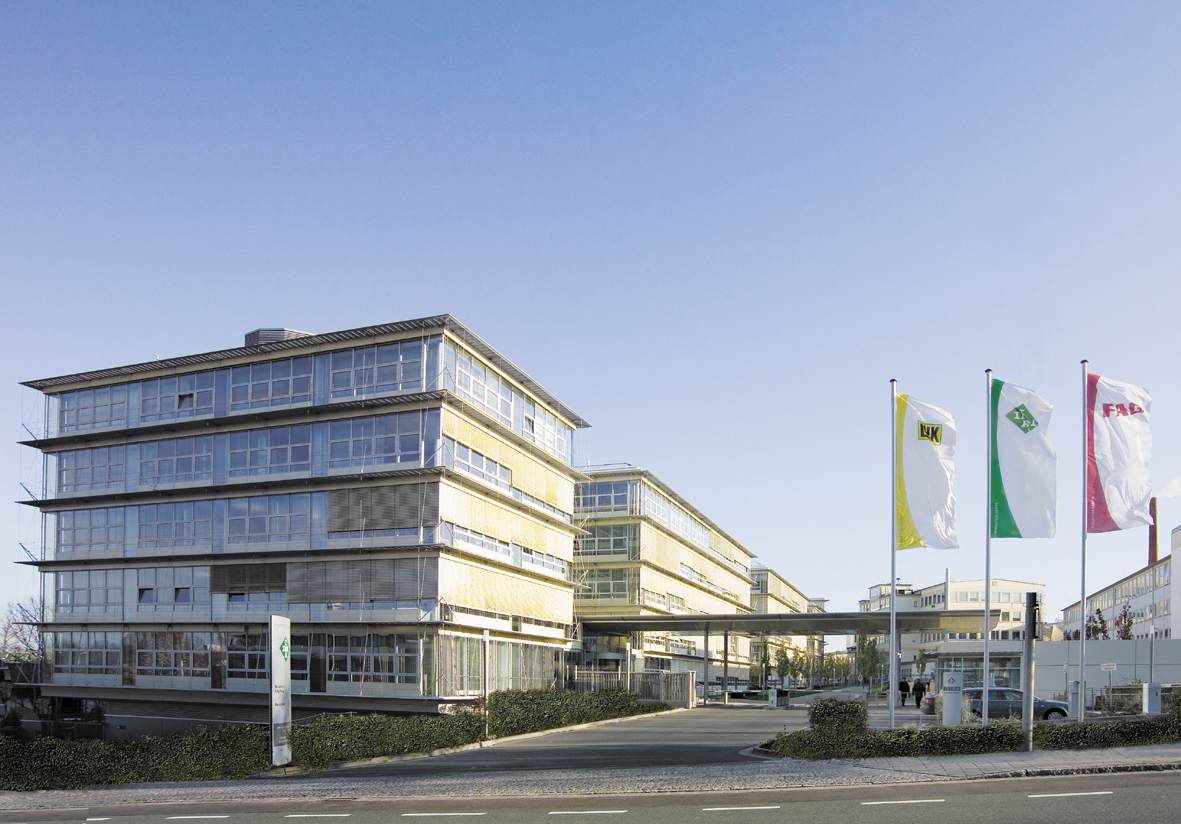
In Schweinfurt and Herzogenaurach the bearing business rarely makes the headlines that Schaeffler’s electric-drive projects do, yet for a European maintenance buyer it is the only part of the group that really matters. When Schaeffler’s nine-month 2026 preliminary figures came out on 13 October, most commentary focused on impairments in electric mobility. The more useful question for anyone who stocks FAG spherical rollers or INA needle bearings is different: is the industrial division healthy enough to keep supply, service and pricing stable through 2027? In our breakdown of Schaeffler’s Q2 2026 segment results the industrial business looked steady but not spectacular, with margins below the group’s own medium-term ambition. The preliminary nine-month numbers allow a clearer view, and they point to a division that is profitable, stable in size and still working towards its 2028 targets.
The group figures in brief
Schaeffler reported preliminary group revenue of about 17.5 billion euros for the first nine months of 2026, slightly below the 17.7 billion of the prior-year period, with an EBIT margin before special items of 4.5 percent against 4.2 percent a year earlier. In the third quarter alone the margin before special items was 4.2 percent, down from 4.5 percent, while free cash flow before M&A improved to 260 million euros in the quarter, leaving the nine-month total at minus 40 million. The E-Mobility division remains deeply loss-making, with a nine-month margin of minus 14.8 percent, and the company booked around 240 million euros of impairments and provisions there, mostly in the third quarter, linked to surplus production equipment and portfolio streamlining. The full-year guidance for the group and every division was confirmed, as were the 2028 targets, with the final interim statement scheduled for 3 November.
Bearings and Industrial Solutions: steady, profitable, not yet at target
The division behind FAG and INA industrial bearings generated sales of about 1.6 billion euros in the third quarter and 4.8 billion over nine months, according to the results presentation, with an EBIT margin of 8.6 percent in the quarter and 8.9 percent year to date. Those margins are respectable for a business exposed to general industrial demand, but they sit below the 9 to 11 percent range Schaeffler targets for 2028, alongside sales ambitions of 6.5 to 7.0 billion euros. The company’s guidance assumes global industrial production growth of only about 1.5 percent, consistent with the flat European picture described by other suppliers this season and by the order patterns we covered in our analysis of German mechanical sector procurement. Vehicle Lifetime Solutions, the aftermarket division, continues to be the group’s most profitable unit, with a nine-month margin of 15.1 percent.
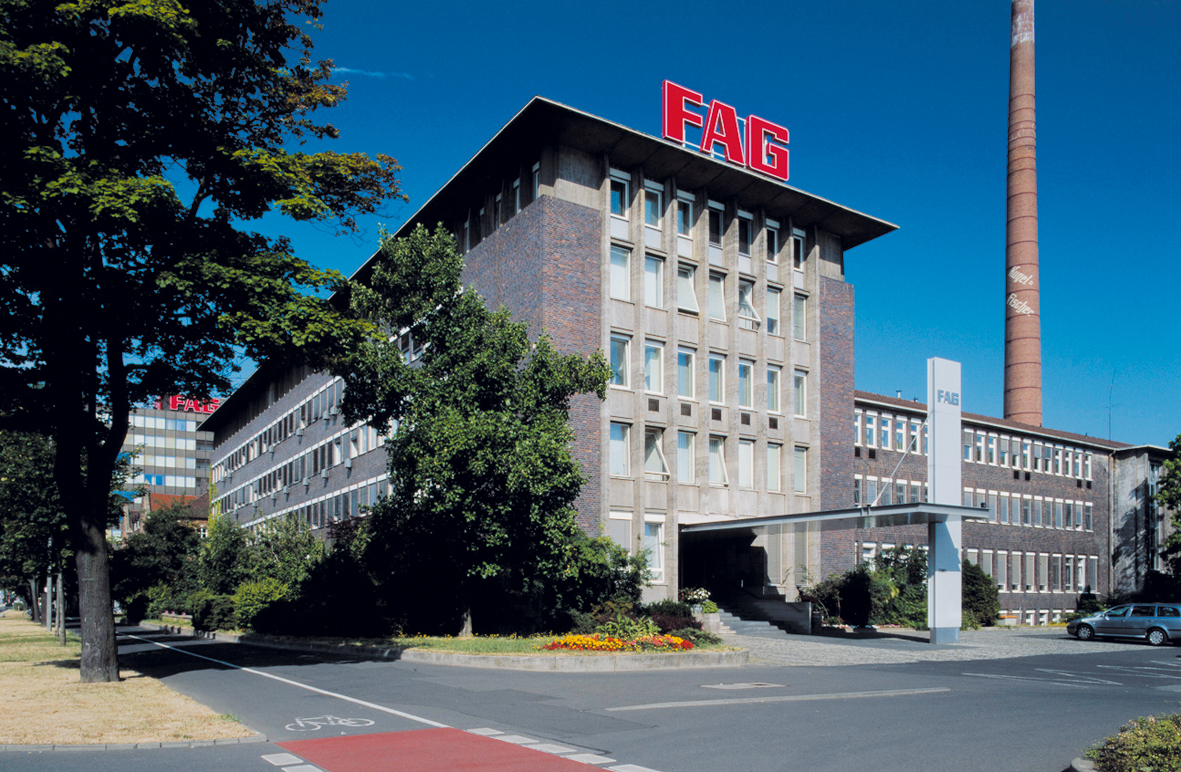
What the numbers mean for FAG and INA supply in Europe
For buyers, the reading is reassuring on supply and neutral to firm on price. A division earning close to 9 percent with confirmed guidance has no reason to cut capacity in core industrial ranges, so availability of standard needle roller bearings, spherical rollers and housings should remain normal in the coming months. At the same time, the gap between current margins and the 2028 target tells you that pricing discipline will continue, particularly on premium ranges such as the products we examined in why some sectors pay a premium for FAG Generation C. Losses in E-Mobility also keep pressure on group costs, which usually translates into selective price increases rather than broad discounts. The sensible response is to confirm 2027 conditions early for high-volume FAG and INA references, keep approved equivalents for critical positions, and watch the final interim statement for any change in the divisional outlook before committing to large forward orders.
Schaeffler’s nine-month figures do not change the story for industrial customers, and that is the point. The bearing division is stable, profitable and focused on margin improvement, the aftermarket business is strong, and the group’s difficulties are concentrated in electric mobility rather than in the plants that make FAG and INA industrial bearings. For distributors and plant buyers in Europe the practical takeaway is continuity of supply with firm pricing, so 2027 planning should assume moderate list increases, not shortages, and should use the next few weeks to lock in conditions on the references that matter most to production. Buyers with mixed fleets should also remember that a stable supplier is not the same as an unchanged one: product range rationalisation and plant moves can still affect individual part numbers, so a quick availability check on slow-moving FAG and INA references is worth doing before year-end.
Reviewing your FAG and INA references for 2027? Our team can check availability, current pricing and approved equivalents for your critical part numbers. Book a free consultation.
Image credits: “Schaeffler stammsitz herzogenaurach” by Schaeffler KG (public domain); “Fag stammsitz schweinfurt” by FAG (public domain), via Wikimedia Commons.