
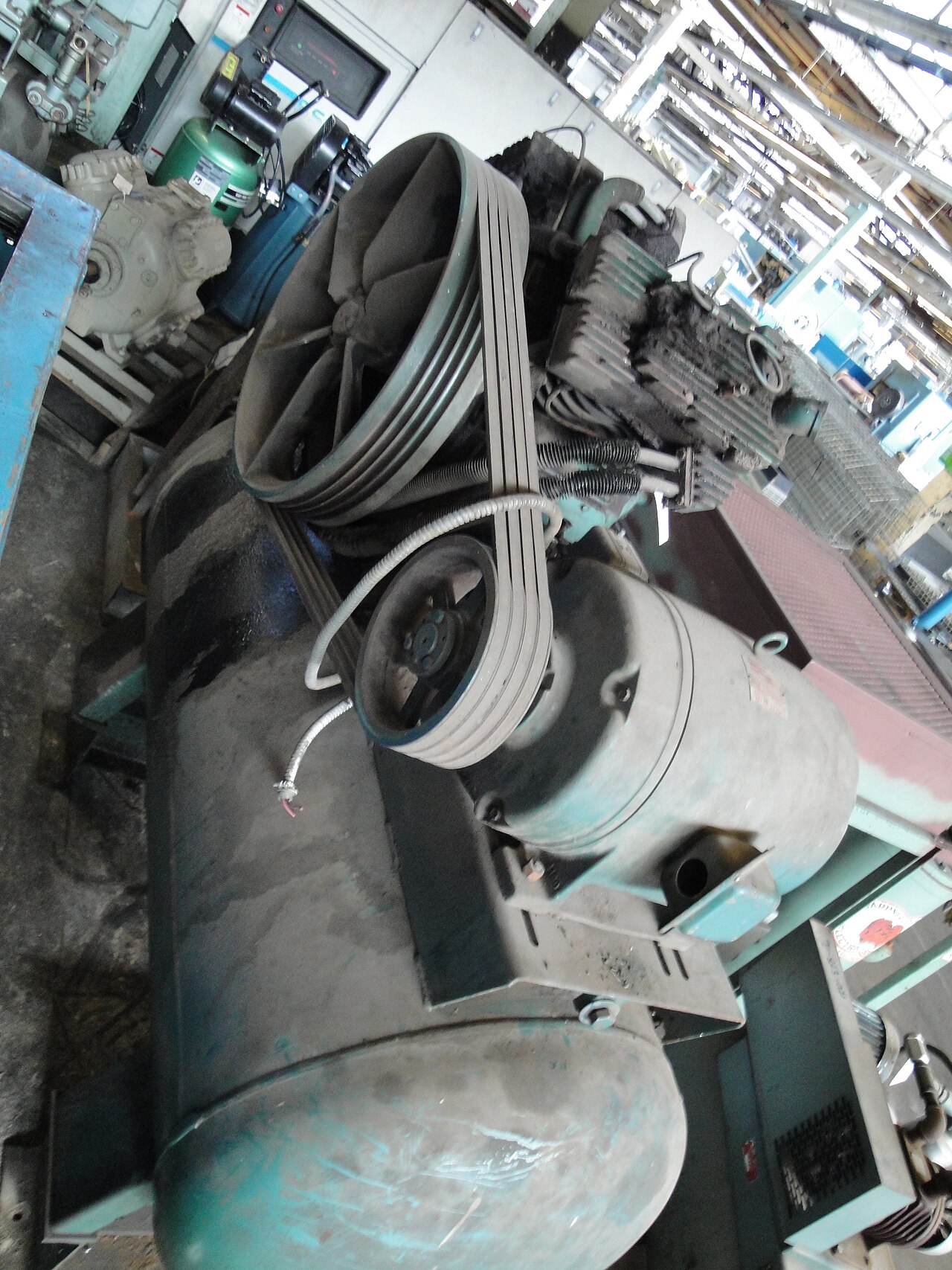
A replacement motor arrives with a 38 millimetre shaft instead of the old 42, the drive still needs four SPB belts, and the pulley on the shelf has the right diameter but a bush that only goes up to a smaller bore. Two days later the right parts are finally on site, and the line restarts. Most of that delay came from treating the pulley as a single part, when in fact a taper lock V-belt pulley is a small system: a grooved hub with a defined belt profile, datum diameter and groove count, and a separate tapered bush that sets the bore and keyway. Ordering it correctly means matching all of those elements at once, against the belts, the motor or gearbox shaft and the power to be transmitted. Done well, it means one order, one delivery and a drive that runs true from the first start, rather than a pile of nearly correct parts on the workbench.
Reading a taper bush pulley designation
Most European taper bush pulleys follow a compact designation that contains everything except the final bore. Take the SPZ140-04 pulley for a 2012 bush: SPZ is the groove profile, 140 is the datum diameter in millimetres, 04 is the number of grooves and 2012 is the taper bush size that fits the hub. The same logic applies to the SPB218-5 pulley with a 3020 bush, which carries five SPB belts on a 218 millimetre datum diameter. The datum diameter is the reference for speed ratio and belt length calculations, not the outside diameter you can measure with a tape, which is a few millimetres larger. The groove count must match the number of belts, and the profile must match the belt family, as you can see across our range of tapered locking bush V-belt pulleys.
Groove profile and datum diameter
The groove profile follows the belt section: SPZ, SPA, SPB and SPC grooves accept the corresponding wedge belts and, in an emergency, the classic Z, A, B and C belts with the same datum width, though mixing families on one drive is never good practice. Each profile also has a minimum recommended datum diameter, roughly 63 millimetres for SPZ, 90 for SPA, 140 for SPB and 224 for SPC, below which belt life drops sharply because of bending stress. The outside diameter of the pulley is larger than the datum diameter by a fixed amount for each profile, around 4 millimetres for SPZ and 7 for SPB, which is useful when identifying an unmarked pulley with calipers. The speed ratio is calculated from the datum diameters, so swapping a pulley for one with a different datum diameter changes the driven speed and the belt length, and the belts must be recalculated or replaced accordingly before the drive is restarted.
Matching bush size to shaft and torque
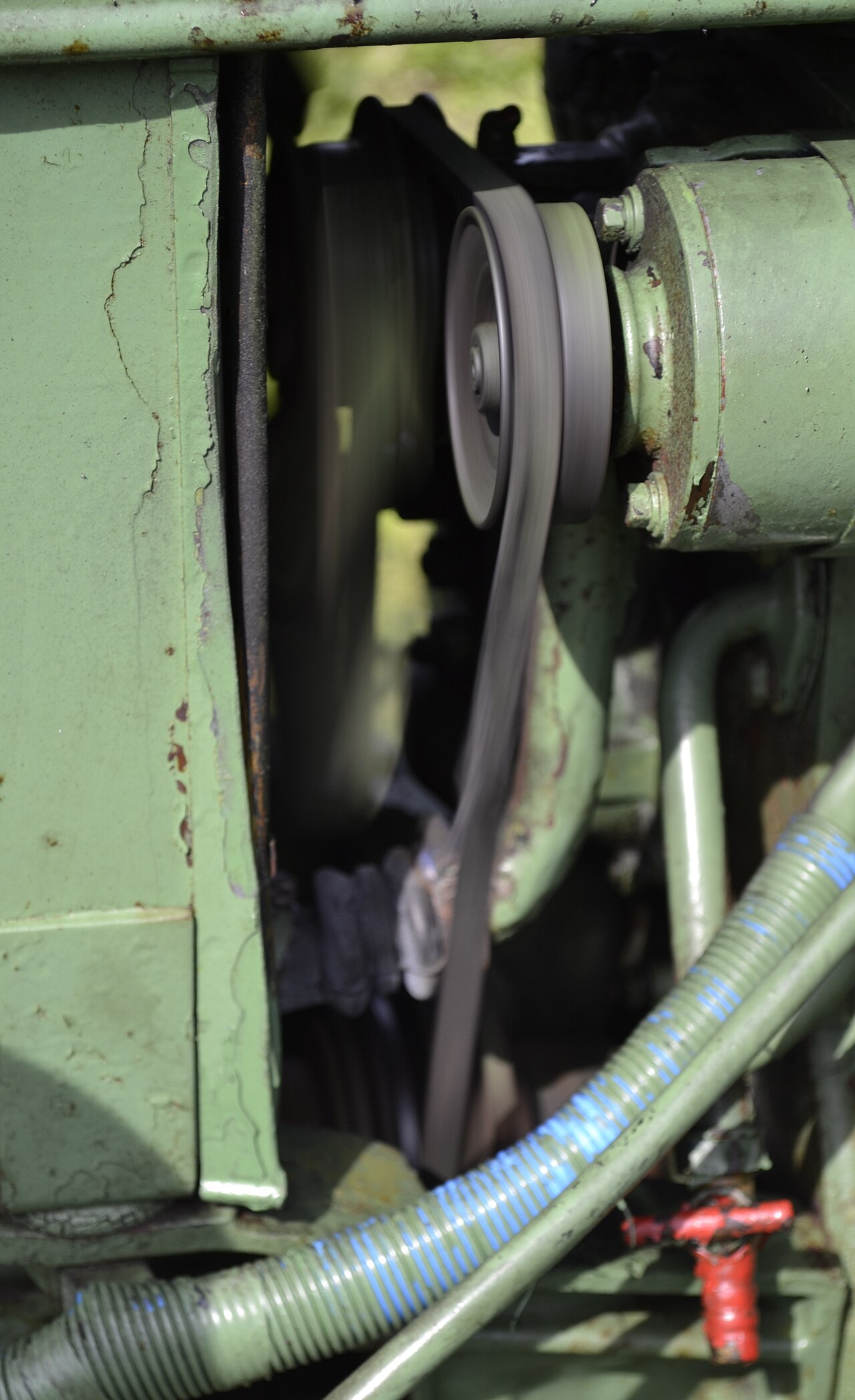
The taper bush converts one hub size into many bore sizes. Each bush size covers a range of bores, with commonly quoted maximum bores of about 42 millimetres for a 1610, 50 for a 2012, 65 for a 2517 and 75 for a 3020 bush, and the last two digits give the bush length in tenths of an inch. The bush is ordered with the finished bore and the keyway, usually to DIN 6885, so the pulley designation and the bush designation together define the final assembly. Our article on taper lock bush sizing, keyways and torque rating explains how much torque each size can transmit and why a bush that fits the shaft is not automatically strong enough for the drive. In the opening example, the 42 millimetre bore sat at the upper limit of a 1610 bush; a 2012 would have offered more margin, and a pulley with a larger hub might have been the better order from the start.
Checking belt count and drive power
The number of grooves is set by the power to be transmitted, the belt section, the small pulley diameter and the speed, not by habit. When a motor is upsized or a pulley diameter changes, the original belt count may no longer be enough, and adding a groove means a different pulley entirely. The calculation uses the power rating per belt from the belt manufacturer, corrected for arc of contact and belt length, and multiplied by a service factor for the driven machine. Modern high-capacity belts, such as those discussed in our comparison of Optibelt Blue Power and classic V-belts, can sometimes reduce the groove count for the same power, which allows narrower pulleys and lower bearing loads. When reusing an existing pulley, check that its groove count and profile still match the required belts before ordering a new set of Optibelt belts.
Material, speed and balance
Most standard taper bush pulleys are made of grey cast iron, which damps vibration and wears well but limits the safe rim speed, commonly to around 30 metres per second for standard designs. The rim speed is the same quantity used for belts, so a large pulley on a two-pole motor can exceed that limit even when the bore and bush look correct; in that case a steel pulley or a different drive layout is needed. Pulleys are normally balanced to a standard grade suitable for typical industrial speeds, and larger or faster pulleys may need dynamic balancing. Small pulleys on motors are often supplied in the same material with smaller hubs, and in very compact drives the minimum diameter for the belt section becomes the limiting factor. These checks take a few minutes at the order stage and prevent vibration problems that are expensive to solve once the drive is installed and running.
Mounting, alignment and tension
Taper bushes centre the pulley on the shaft and clamp it with screws, but the result depends on correct mounting. Shaft, bush and hub tapers must be clean and free of oil, the screws tightened alternately to the specified torque, and the pulley tapped lightly on the hub during tightening so the bush seats fully. After tightening, the pulleys must be aligned with a straight edge or laser so that the grooves lie in the same plane, because misalignment wears belt flanks and groove walls quickly. Only then should the belts be fitted and tensioned using deflection or frequency methods, as described in our guide to V-belt tension and the re-tension window. Re-check bush screws and belt tension after the first hours of running, when the belts settle and the bush can bed in slightly under load.
One order that covers everything
To avoid partial deliveries and site improvisation, write the pulley order as a complete drive specification. For each pulley, state the profile, datum diameter, groove count and bush size; for each bush, the bore and keyway; for the belts, the section, datum length, number and construction. Add the motor or gearbox shaft diameter and keyway as a check, and note whether the pulley must be balanced or made of steel. With that information a supplier can confirm availability for the complete set and flag mismatches, such as a bore at the limit of a bush or a datum diameter below the minimum for the belt section. Our range of pulleys and matching bushes is organised to make this kind of order straightforward, and a single combined order is almost always cheaper than three urgent ones placed after the first attempt does not fit.
Taper lock V-belt pulleys are among the most standardised parts in power transmission, which is exactly why small mismatches are so common. The profile, datum diameter, groove count, bush size and bore all have to agree with each other and with the belts and shafts around them. Read the designation carefully, check the bush range against the shaft, confirm the belt count against the power and verify the rim speed. Then mount, align and tension with care. Done in that order, the drive in the opening example would have been specified correctly on day one and been running before lunch. Keep the complete drive specification on the machine file as well, because the next motor change will raise exactly the same questions, and having the answers written down turns a two-day search into a single order line.
Specifying a new V-belt drive? Send us the motor data, shaft sizes and belt section, and our team will match pulleys, taper bushes and belts in a single quotation. Book a free consultation.
Image credits: “Multiple-V-belt drive 001” by Three-quarter-ten (CC BY-SA 3.0); “Keilriemen, Fendt Dieselross” by High Contrast (CC BY 3.0 DE), via Wikimedia Commons.